

Complete Home Babyproofing Checklist for Less
Are you confused when your toddler opens the dishwasher, pulls on the fridge, and reaches for the oven all in the same afternoon? If so, you are not overreacting. For many parents, especially mothers with new babies, the hard part is not knowing that safety matters. It is figuring out what comprehensive home babyproofing actually includes, which products are worth buying first, and how to avoid spending money on a starter kit that still leaves dangerous gaps.
A smart plan starts with two truths. First, comprehensive home babyproofing is a room-by-room and hazard-by-hazard process, not a one-time purchase. Second, buying 'for less‘ does not mean buying the cheapest set with the biggest piece count. It means using babyproofing checklists to cover the highest-risk areas first, then adding the right protection where standard kits fall short.
According to guidance from the U.S. Consumer Product Safety Commission, Consumer Reports, UGA Extension, and University Hospitals, the highest-priority risks usually involve falls, poisoning, burns, drowning, strangulation, choking, and tip-overs. That is why a complete plan goes far beyond outlet covers and a few cabinet latches.
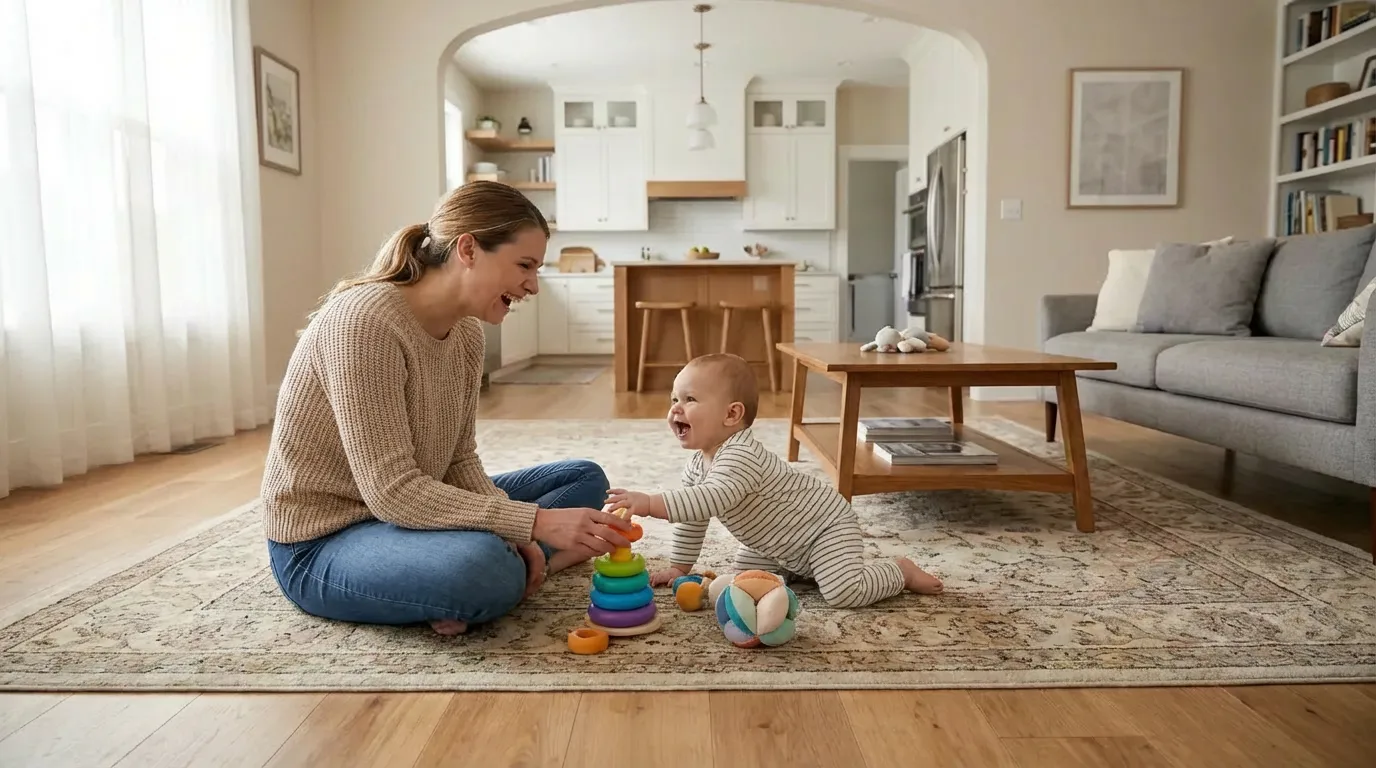
What comprehensive home babyproofing really includes
Comprehensive home babyproofing means looking at your home the way a mobile baby will experience it. Instead of asking, 'What comes in the box?‘, ask, ’What can my child open, pull down, swallow, climb, touch, or fall from?‘
This is why good babyproofing checklists focus on both rooms and hazard types. Kitchens, bathrooms, stairs, living rooms, nurseries, laundry areas, doors, and windows all present different risks. A cabinet lock may help in one space, while a toilet lock, furniture anchor, or gate matters more somewhere else.
Here is a practical overview of what comprehensive home babyproofing usually covers:
| Home zone | Main hazards | Typical safety layer |
|---|---|---|
| Kitchen | Cleaners, knives, hot surfaces, fridge, dishwasher, oven, trash | Cabinet locks, drawer locks, kitchen and appliance locks |
| Bathroom | Medicines, cleaners, toilet access, scalding water, slippery floors | Cabinet locks, toilet lock, water temperature control |
| Living room | Tip-overs, outlets, blind cords, cords, button batteries | Furniture anchors, outlet protection, cord management |
| Nursery and bedroom | Furniture climbing, monitor cords, blind cords, unsafe sleep setup | Furniture anchoring, cord control, safe crib setup |
| Stairs and hallways | Falls, wandering, door pinch injuries | Safety gates, pinch guards, door safety devices |
| Laundry and entryways | Detergent pods, chemicals, bags, exterior door access | Storage locks, door controls, safer storage habits |
One important point that appears across expert guidance is that child-resistant does not mean childproof. Locks and covers are safety layers, not substitutes for supervision. They work best when adults install them correctly, use them consistently, and inspect them over time.
To save money without skipping essentials, start with the rooms your child reaches first and use targeted products instead of assuming every all-in-one safety kit is enough.
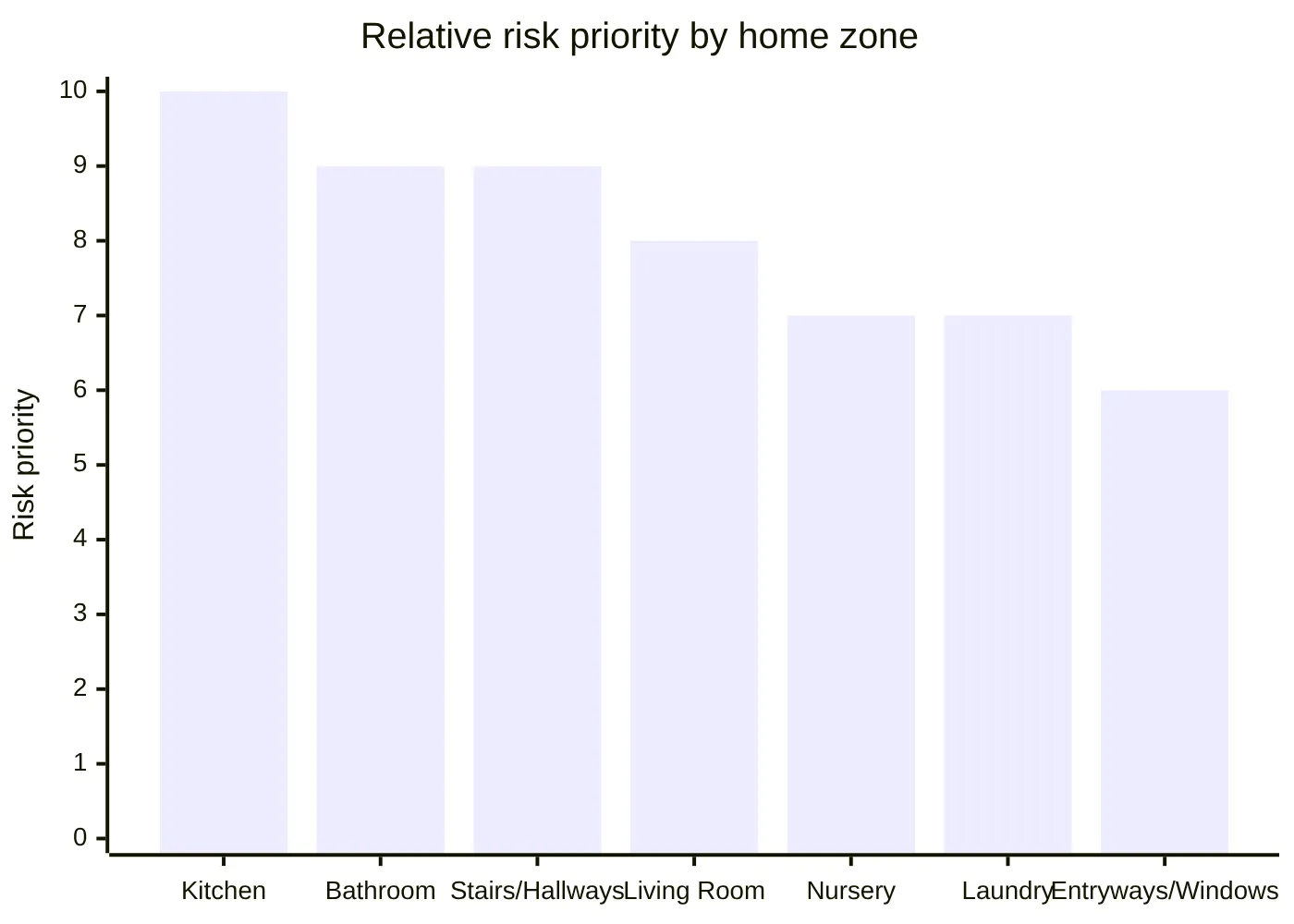
If your biggest concern is cabinets and drawers across several rooms, start with the Magnetic Cabinet Locks collection or the Vmaisi Child Safety Magnetic Drawer & Cabinet Locks 20 Pack, which fits the needs of cabinet-heavy areas more directly than a random mixed bundle.
Comprehensive home babyproofing checklists by room
The easiest way to build comprehensive home babyproofing is to walk through your home one room at a time. Many experts recommend getting down at child height to spot hazards that seem invisible from an adult viewpoint.
Kitchen checklist
The kitchen is often the highest-risk room because it combines burns, chemicals, glass, sharp tools, and heavy appliance doors.
Use this babyproofing checklist in the kitchen:
- Lock lower cabinets and drawers that hold cleaners, knives, tools, and breakables.
- Store detergent pods and chemicals high and locked.
- Turn pot handles inward and prefer back burners.
- Check whether the oven control lock only controls settings or also prevents door opening.
- Add protection for the dishwasher, fridge, oven, and trash access if your toddler can reach them.
- Cover outlets and manage loose cords.
- Reassess corner cabinets or unusual layouts that may need a different lock style.
This is where many all-in-one safety kits underperform. They often include cabinet latches, but kitchen and appliance locks are frequently missing or too limited for real use.
If your toddler goes straight for appliances, the better next step is the Vmaisi Multi-Use Child Safety Locks collection or the 6 Pack Vmaisi Multi-Use Adhesive Straps Locks. For more kitchen-specific planning, see this guide to kitchen and appliance locks bundles and this practical fridge and oven safety guide.
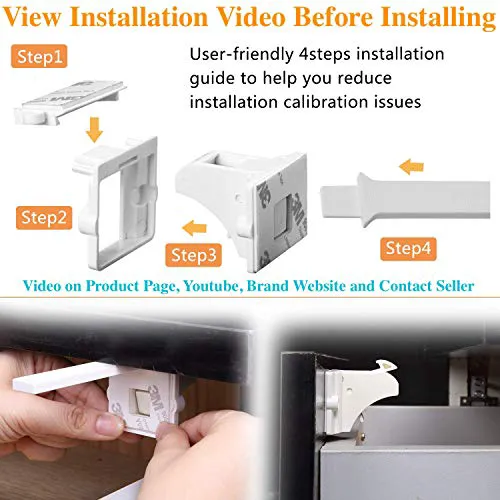
Bathroom checklist
Bathrooms combine water, medicine, cleaning products, and slippery surfaces in a small space.
Use this checklist:
- Lock vanity cabinets and medicine storage.
- Keep medicines, cosmetics, and cleaners out of reach and preferably locked.
- Consider a toilet lock if toilet access is an issue.
- Set household hot water to 120°F to reduce scald risk.
- Add non-slip protection and keep electrical items away from water.
- Remember that humidity can affect some adhesive installations, so placement and surface prep matter.
Bathrooms are also full of overlooked safety items. Parents often lock the cabinet and forget the toilet, the medicine bag on the counter, or small choking hazards inside drawers.
Living room and nursery checklist
These rooms often look safe because they feel familiar, but they are full of climbing, tip-over, choking, and strangulation risks.
Use this checklist:
- Anchor dressers, bookshelves, and TVs.
- Cover accessible outlets.
- Manage cords from lamps, monitors, chargers, and blinds.
- Keep button batteries secured in remotes and small electronics.
- Add corner guards where hard edges sit at head height.
- Keep cribs bare except for a fitted sheet.
- Remove furniture that creates a climbing path toward windows.
- Recheck low shelves for decor, coins, batteries, and other overlooked safety items.
For more ideas on what parents often miss, read Don't Miss These: 5 Essential Babyproofing Items for a Truly Safe Home.
Stairs, hallways, laundry, and entryway checklist
These areas are often treated as secondary, but they create fast-moving risks.
Use this checklist:
- Install gates, especially hardware-mounted gates at the top of stairs.
- Add pinch guards for door hinge areas where needed.
- Treat laundry rooms like chemical zones, especially if detergent pods are stored low.
- Restrict access to exterior doors and fast escape routes.
- Keep purses, tote bags, keys, coins, and medicines off the floor and out of reach.
- Check windows for blind cord hazards and consider guards or stops where appropriate.
If your layout includes difficult cabinet angles, this article on whether magnetic cabinet locks fit corner cabinets can help you choose more accurately.
Comprehensive home babyproofing and the overlooked safety items parents miss
A lot of parents complete the obvious checklist and still miss the hidden hazards. That is why overlooked safety items deserve their own section in any serious comprehensive home babyproofing plan.
The most commonly missed items include:
- blind cord safety devices
- toilet locks
- fridge locks
- dishwasher locks
- oven door protection
- window stops or guards
- pinch guards
- button battery access points
- bags or purses left within reach
- furniture placement near windows
- detergent pod storage outside locked spaces
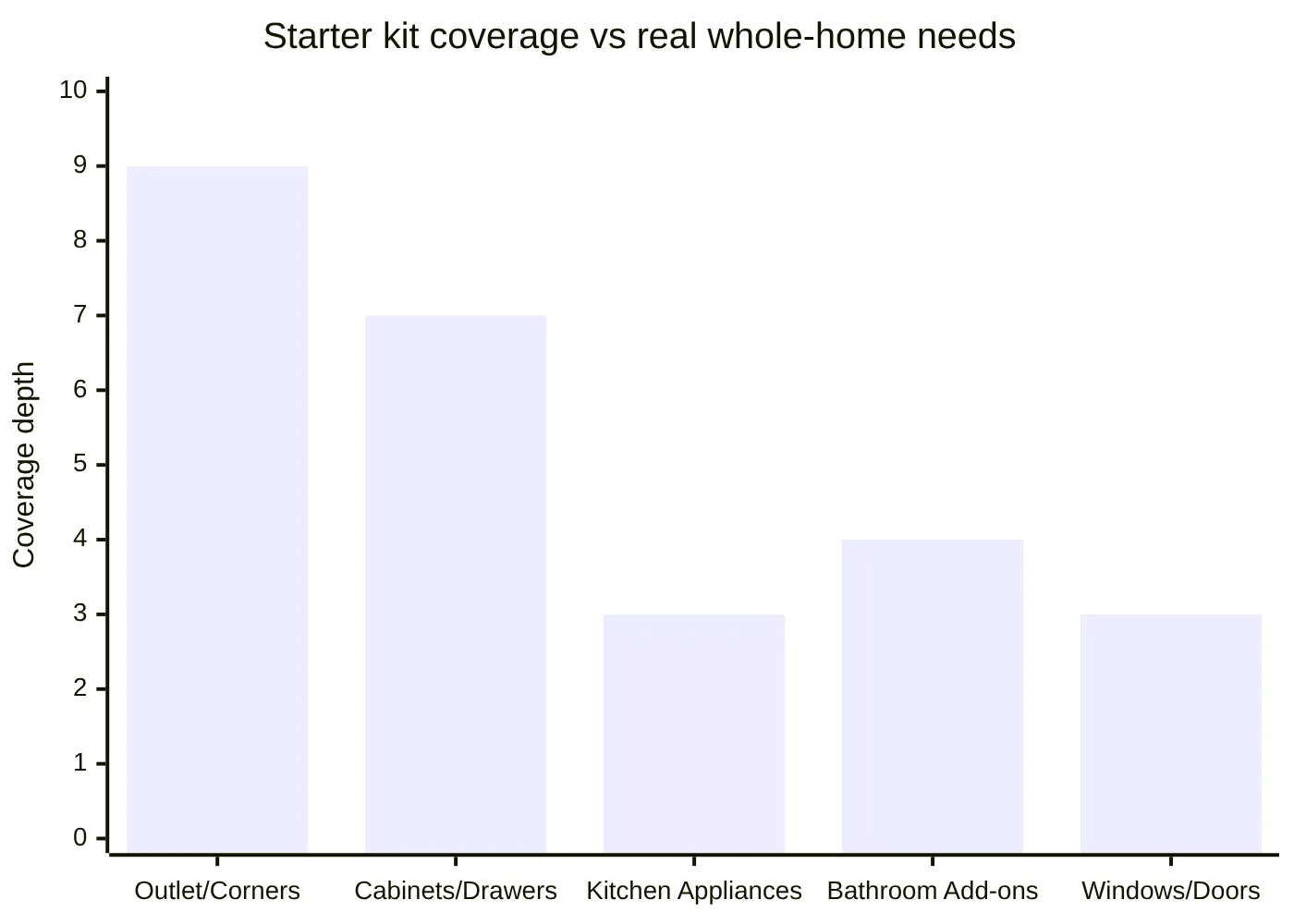
These hazards matter because they are often not included in standard all-in-one safety kits. A big piece count can look reassuring, but bundle marketing does not always reflect real room coverage. For example, a set with many outlet covers and corner guards may still leave your kitchen and bathroom under-protected.
A useful way to think about this is ‘bundle basics vs real coverage.’ Basics help, but comprehensive home babyproofing asks whether the highest-risk hazards are truly blocked.
Here is a simple comparison:
| Product type | Good for | Often missing |
|---|---|---|
| Basic starter kit | Outlets, corners, some cabinets | Fridge, dishwasher, oven, toilet, windows |
| Cabinet-focused setup | Lower storage and drawers | Appliance doors and room-specific add-ons |
| Appliance-focused setup | Fridge, dishwasher, oven, toilet, trash | Broader cabinet coverage |
| Layered approach | Real hazard coverage by room | Requires a checklist before buying |
This is why ‘for less’ should mean fewer wasted pieces, not fewer protections. Before buying extra items, compare your own needs with a guide like Review: Comprehensive Home Babyproofing Kits. It helps frame all-in-one safety kits as a starting point rather than a finish line.
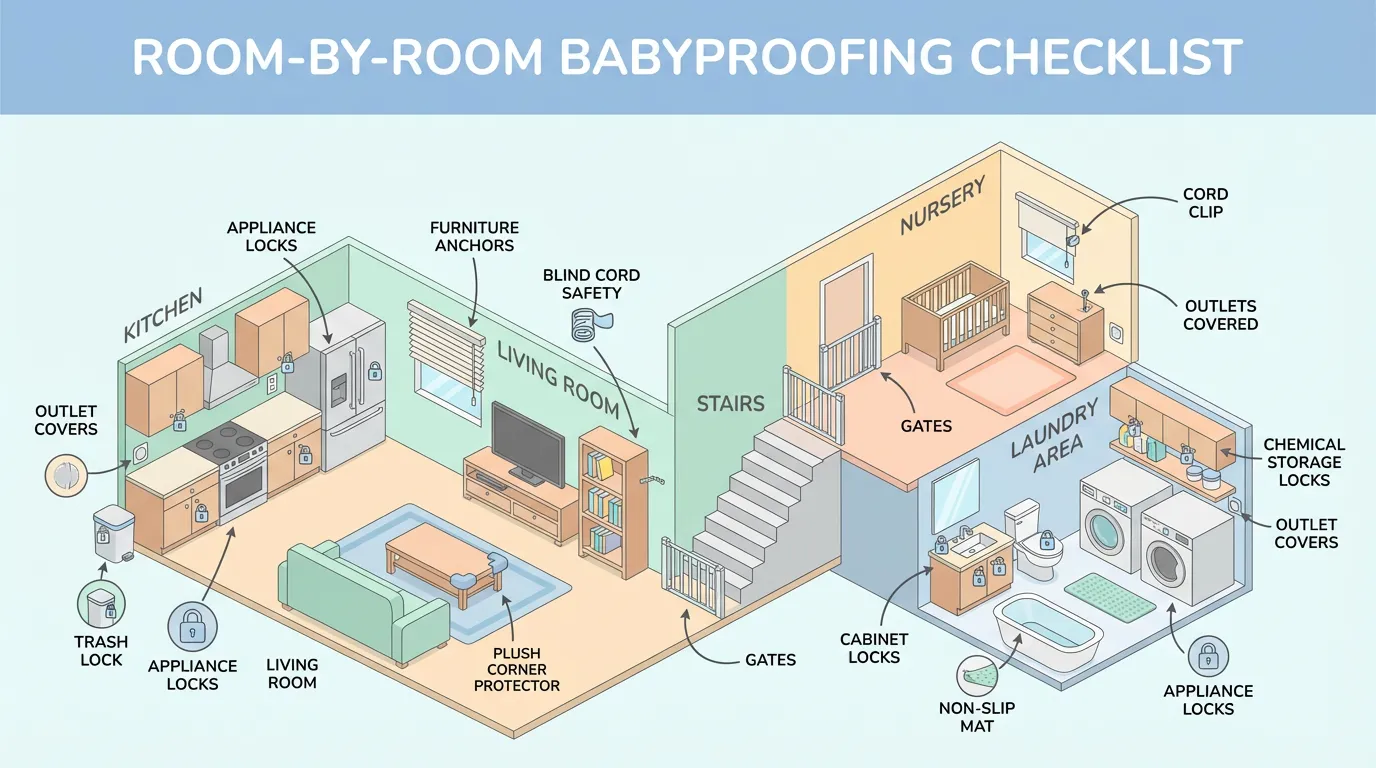
How comprehensive home babyproofing helps you choose the right products for less
Parents who worry about the safety of the product itself are asking the right questions. According to the research, the best babyproofing product is not the one with the most pieces. It is the one that fits the actual hazard, installs well on your surface, and is easy enough for adults to use every day.
Use these evaluation points before buying:
- Does it match the real hazard?
- Is it child-resistant in practice, not just in marketing?
- Is it easy enough for adults, grandparents, or babysitters to use consistently?
- Does it suit the cabinet, drawer, or appliance surface?
- For adhesive products, can you clean, dry, place, press, and allow enough cure time?
- Will heat, steam, grease, or humidity affect placement?
- Are there detachable parts that could become new hazards?
This matters especially for kitchen and appliance locks. Built-in control locks on dishwashers or ovens do not always stop a child from opening the door. Physical access may still need to be restricted.
If your home needs hidden protection for cabinets and drawers first, a focused cabinet solution like the Magnetic Child Safety Cabinet Locks -16 Pack can make more sense than overbuying a mixed bundle. If your real issue is appliance access, the 6 Pack Vmaisi Multi-Use Adhesive Straps Locks is the more targeted direction.
A practical buying plan looks like this:
- Audit the home with babyproofing checklists.
- Start with the highest-risk rooms, usually the kitchen, bathroom, and stairs.
- Use cabinet locks for storage hazards.
- Add kitchen and appliance locks where physical door access is still possible.
- Recheck overlooked safety items after the basics are installed.
- Inspect and adjust as your child grows.
Comprehensive home babyproofing FAQs
What does comprehensive home babyproofing include?
Comprehensive home babyproofing includes room-by-room protection against falls, poisoning, burns, drowning, choking, strangulation, entrapment, and tip-overs. In practice, that means more than outlet covers. It often includes cabinet locks, drawer locks, gates, furniture anchors, blind cord safety, and kitchen and appliance locks where needed.
Do all-in-one safety kits cover everything?
No. All-in-one safety kits can be a useful starting point, but research and practical guidance show they often miss overlooked safety items such as fridge locks, dishwasher locks, oven access protection, toilet locks, and window-related hazards.
Are kitchen and appliance locks really necessary?
Often, yes. The kitchen is one of the highest-risk rooms in the home. Standard cabinet latches help with storage access, but they do not address every appliance risk. If your child can pull open the fridge, dishwasher, oven, or trash area, kitchen and appliance locks may be the missing layer.
Are adhesive babyproofing locks safe and reliable?
They can be effective when they fit the surface and are installed correctly. Surface prep, dry placement, firm pressure, and proper cure time all matter. Heat, steam, grease, and humidity can affect appliance placement, so always match the product to the location and check it regularly.
How can I handle comprehensive home babyproofing for less?
Use babyproofing checklists first, then buy in layers. Start with the highest-risk rooms, avoid judging value by piece count alone, and add targeted protection for overlooked safety items instead of overbuying low-priority pieces.
Comprehensive home babyproofing does not mean turning your house into a fortress overnight. It means creating a safer everyday environment with a clear plan, honest product choices, and attention to the hazards that starter kits often skip. If you begin with the rooms your child reaches first, use a layered approach, and match the product to the real risk, you can build a safer home without overspending.
If cabinet access is your biggest issue, explore the Magnetic Cabinet Locks collection. If the real problem is fridge, dishwasher, toilet, or oven access, start with the Vmaisi Multi-Use Child Safety Locks collection. And if you are still deciding between bundles and targeted add-ons, the guides on comprehensive home babyproofing kits and kitchen and appliance locks bundles are the most useful next steps.