

How to Childproof a Medicine Cabinet Safely
Are you worried that your baby will start climbing before you have figured out how to secure the bathroom cabinet? If you are wondering how to childproof a medicine cabinet in a way that feels truly safe, you are not overreacting. For parents, especially mothers with new babies, medicine storage can become a serious concern fast. A toddler does not need much time, or much access, to get into something dangerous.
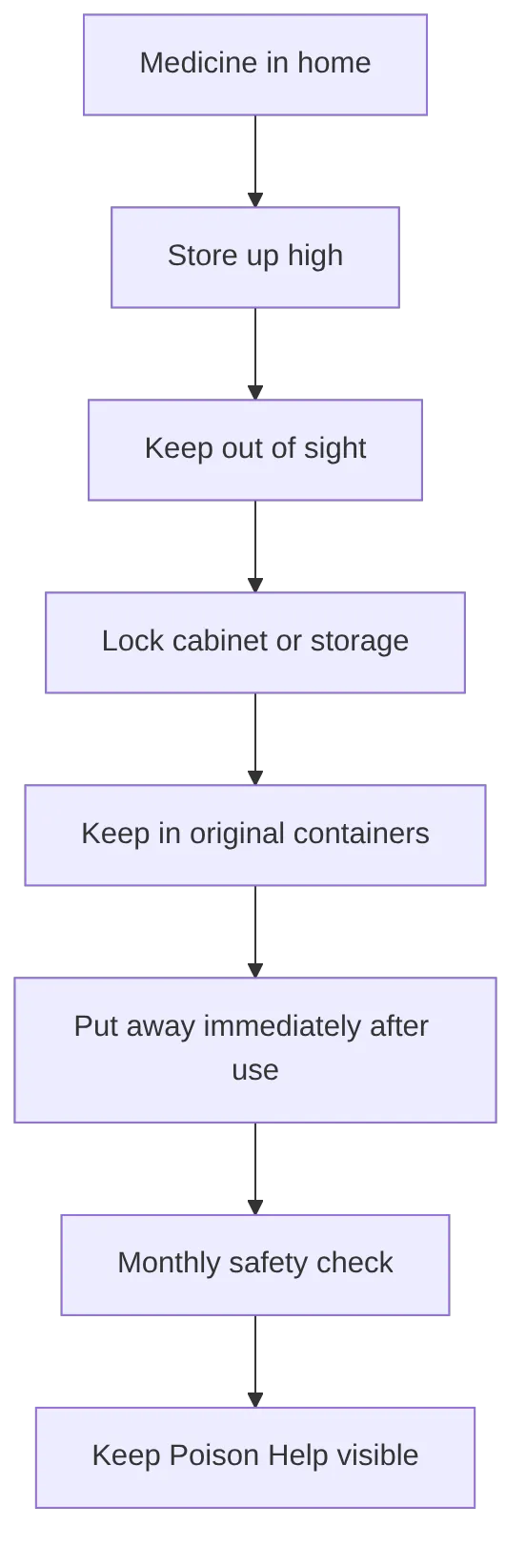
The safest answer is not just ‘put it high’ or ‘buy a lock.’ Research across child-safety and poison-prevention guidance points to a layered approach: keep medicine up high, out of sight, locked, in original containers, and put away immediately after every use. If you want the short version, that is the foundation of how to childproof a medicine cabinet well.
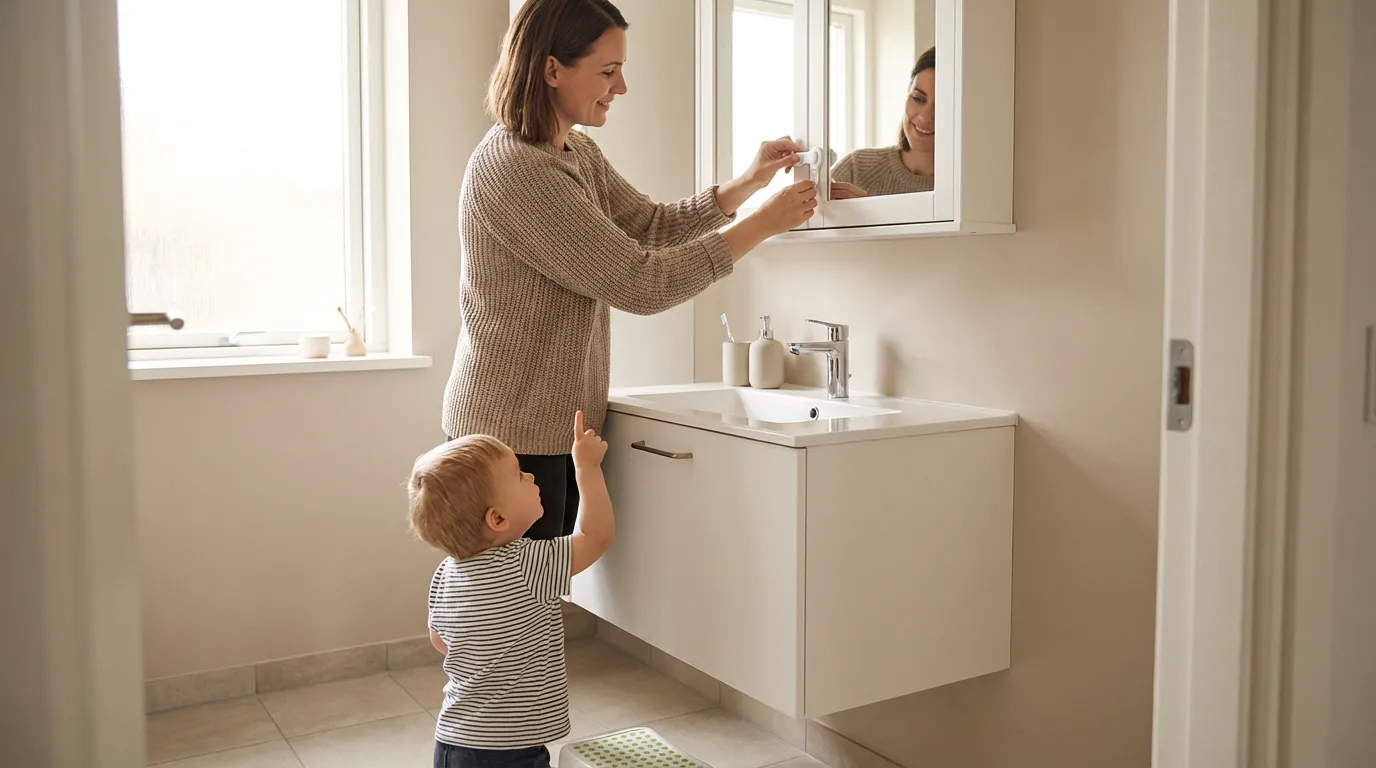
In this guide, you will learn the step-by-step process, how to choose the best child locks for medicine cabinet setups, and which option may fit your cabinet type best.
Why how to childproof a medicine cabinet matters more than many parents expect
An unlocked or poorly secured medicine cabinet can be risky for babies and toddlers for a few simple reasons. Children climb earlier and faster than adults expect. Child-resistant packaging is not childproof. Gummies, vitamins, and colorful pills can look like candy. And during busy days, illness, or nighttime routines, medicine often gets left out longer than parents realize.
Authoritative guidance is very consistent on this point. Safe Kids Worldwide advises families to put medicine away immediately after every use and reminds parents that child-resistant packaging is not childproof. The CDC also recommends storing medicines and supplements, including gummies, up and away because children may mistake them for candy. Poison Control reinforces the same message: child-resistant does not mean child-proof.
You can review those recommendations from Safe Kids Worldwide, the CDC's safe storage guidance, and Poison Control.
Height helps, but height alone is not enough. Toddlers climb toilets, We step stools, drawers, and nearby shelves. That is why learning how to childproof a medicine cabinet should always include both placement and locking. If the medication is especially dangerous, such as opioids, sedatives, or other high-risk prescriptions, an additional locked layer is even smarter.
How to childproof a medicine cabinet step by step
If you want a practical plan, follow these steps in order.
1. Move medicine up high and out of sight
The first rule of how to childproof a medicine cabinet is to reduce visibility and access. Store all medicines, supplements, vitamins, and gummies high enough that your child cannot see or reach them, even by climbing nearby fixtures.
If possible, avoid relying on a bathroom cabinet just because it is traditional. Bathrooms can be humid, and a cooler, drier place may be better when appropriate for the medication. If you do use a bathroom cabinet, make sure the cabinet itself is secure and not easily accessible with a nearby climbing aid.
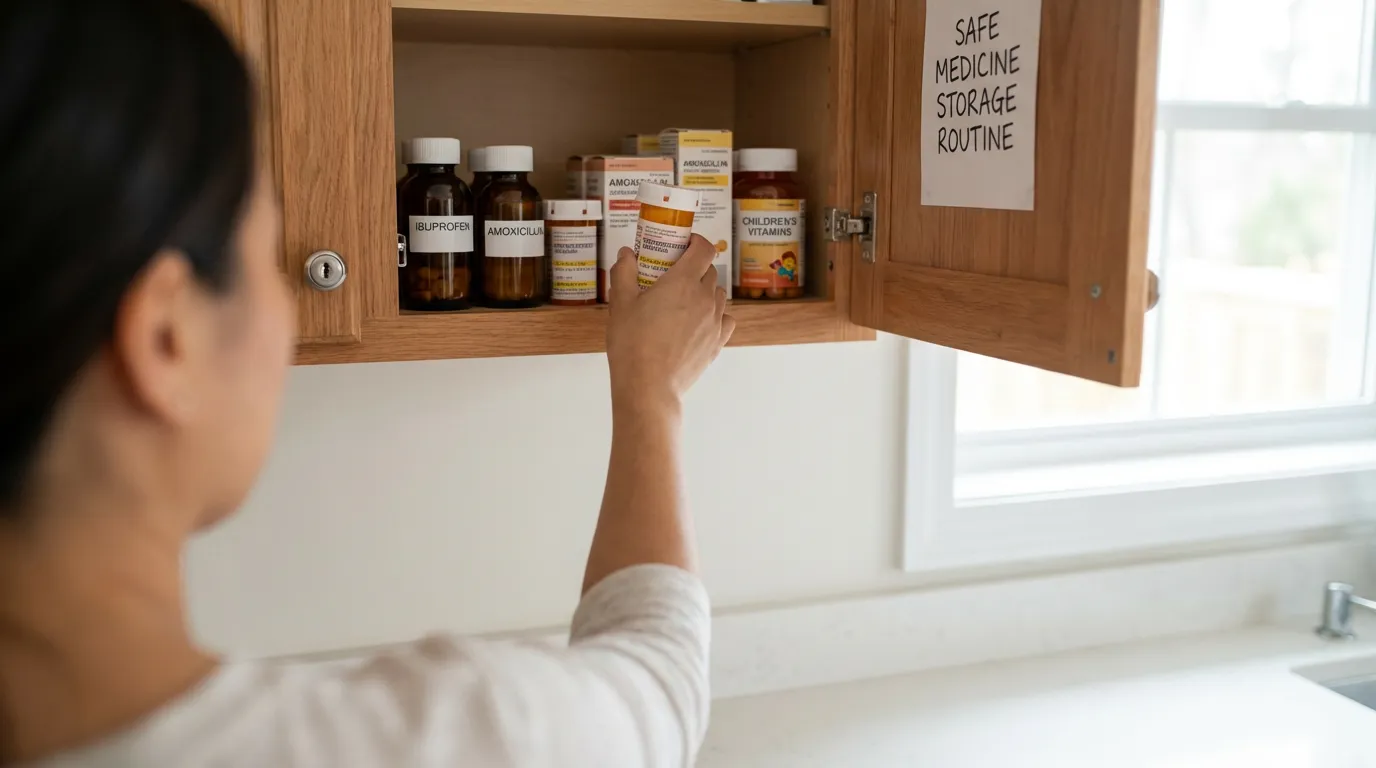
2. Add the right child lock for your cabinet type
This is where many parents get stuck. The best child locks for medicine cabinet use depend on the cabinet material, door style, and how quickly adults need access.
For standard wood or composite cabinets, hidden magnetic locks are often the best balance of security, convenience, and appearance. Vmaisi offers several options, including Baby Proofing Magnetic Cabinet Locks and Magnetic Child Safety Cabinet Locks. These are popular because the locking parts stay inside the cabinet, which means there is less for a toddler to study or pull.
If you want to understand setup and fit better, see how to babyproof cabinets with magnetic locks and do magnetic cabinet locks fit corner cabinets.
For mirrored, glass, metal, frameless, or rental-sensitive medicine cabinets, adhesive strap locks are often more practical than internal magnetic systems. These are visible, but they can be easier to fit on difficult surfaces.
For high-risk medications, a keyed or combination lock can provide stronger security, especially when paired with a lockable medicine box inside the cabinet.
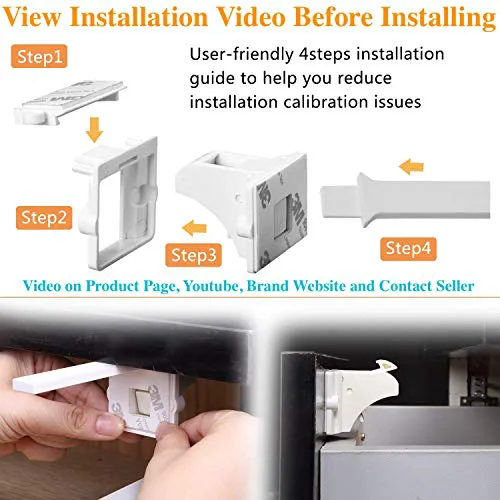
3. Keep medicines in original containers
Do not transfer medicine into unlabeled jars or easy-open containers. Original containers help adults identify medicines correctly and often provide at least some child-resistant features, even though those features should never be your only safety layer.
This advice matters even more with pill organizers. Research published in a peer-reviewed study found that many medication organizers are not adequately child-resistant for preventing unsupervised ingestion. That means a weekly pill organizer should not be treated as safe storage on its own.
4. Put medicine away immediately after every use
This is one of the most overlooked parts of how to childproof a medicine cabinet. Parents often think of safety as a product purchase, but routine matters just as much. If the lock works well but the medicine sits on the counter after a dose, the system fails.
After every use, relock the cabinet right away. That includes middle-of-the-night fever medicine, daily vitamins, and products used several times per day. Fast adult access is important, but so is a habit that is easy enough to follow consistently.
5. Check the cabinet regularly
A child lock is not a one-time job. In humid bathrooms, adhesive should be checked regularly. Look for loosening, shifting, or poor alignment. If you use a magnetic system, make sure the key is stored where adults can reach it but children cannot.
It is also smart to review expired medications, remove unneeded items, and make sure guests' bags or visiting grandparents' medicine do not end up within reach.
Best child locks for medicine cabinet use by cabinet type
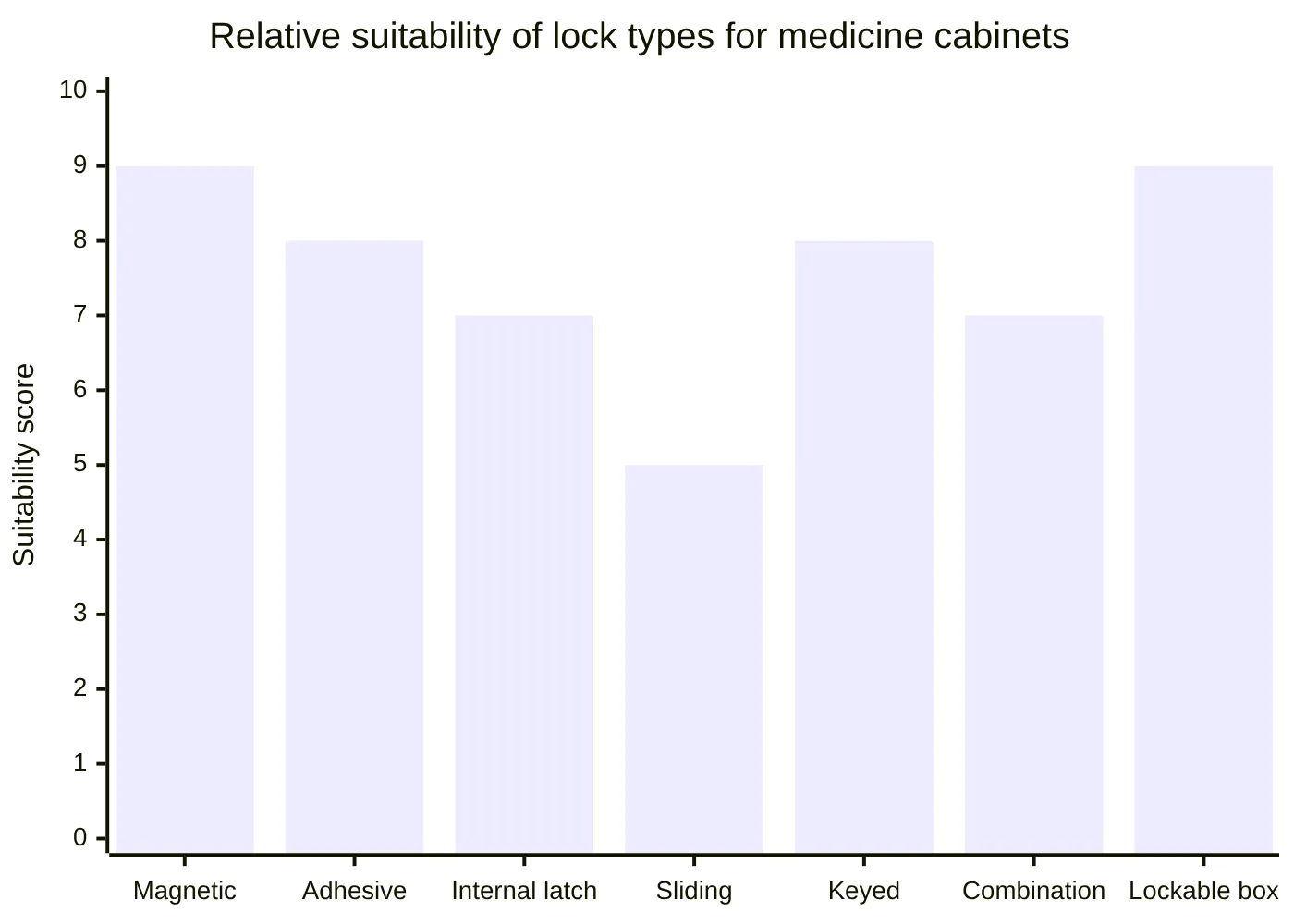
When parents search for the best child locks for medicine cabinet setups, they usually do not want every option. They want the right one for their home. This table makes that easier.
| Lock type | Best for | Safety level | Adult convenience | Visibility | Main trade-off |
|---|---|---|---|---|---|
| Internal magnetic lock | Standard wood or composite cabinets | High | High | Hidden | Needs proper alignment and magnetic key storage |
| Internal latch | Standard cabinets with enough inner clearance | Medium to high | Medium | Hidden | Some older toddlers may learn the mechanism |
| Sliding lock | Double-handle cabinets | Medium | Medium | Visible | Limited compatibility |
| Adhesive strap lock | Mirrored, metal, glass, frameless, or rental-sensitive cabinets | Medium to high | High | Visible | Adhesive should be checked in humid bathrooms |
| Keyed lock | High-risk medication storage | High | Low to medium | Visible or semi-visible | Slower access, may require drilling |
| Combination lock | Permanent, higher-security setups | High | Medium | Visible | More setup complexity |
| Lockable medicine box | Second layer inside another cabinet | Very high as added layer | Medium | External box | Adds an extra access step |
For many families, hidden magnetic locks are the strongest all-around answer to how to childproof a medicine cabinet when the cabinet is made of standard materials. If that sounds like your setup, explore magnetic cabinet locks or the smaller child safety magnetic cabinet locks 4 pack if you only need to secure one cabinet area.
Parents with several cabinets to secure may prefer magnetic drawer and cabinet locks, while those focused on adhesive installation can look at adhesive magnetic cabinet locks.
How to childproof a medicine cabinet without common mistakes
Even a good lock can fail if the setup or routine is weak. These are the most common mistakes parents make when learning how to childproof a medicine cabinet.
First, relying on height alone. A tall cabinet feels safe until your child learns to climb.
Second, trusting child-resistant caps too much. Multiple safety authorities clearly warn that they are not childproof.
Third, leaving medicine out between doses. This often happens when a child is sick and the medicine is being used often.
Fourth, using pill organizers as if they were secure storage. Many are easier to open than parents realize.
Fifth, forgetting bathroom humidity. Adhesive locks can work well, but the surface must be fully clean and dry during installation, and the bond should be checked over time.
Sixth, choosing a lock that adults dislike using. If a lock feels too annoying in daily life, people are more likely to leave the cabinet unlocked. That is why convenience matters in the real-world search for the best child locks for medicine cabinet safety.
A useful rule is this: the best lock is the one that fits your cabinet and that every adult in the home will actually use every time.
If you need more cabinet-specific guidance, Vmaisi also has a helpful article on how do you childproof a medicine cabinet and a broader guide to how to childproof a medicine cabinet.
How to childproof a medicine cabinet for safer daily routines
A cabinet lock works best when it is part of a full home routine. That means thinking beyond the cabinet door.
Keep medicine in the same secure place every time. Teach all caregivers how the lock works. Store the magnetic key in a safe adult-only location. Check purses, diaper bags, and overnight bags that may contain medicine. If you have especially dangerous prescriptions at home, add a second layer, such as a lockable medicine box inside the locked cabinet.
If you are unsure whether your cabinet is a good match for a hidden system, standard wooden cabinets are often a strong fit for child safety magnetic cabinet locks. If your goal is to secure several areas throughout the home at once, magnetic drawer and cabinet locks can make that easier.
One more note: if you think your child may have swallowed medicine, call Poison Help right away at 1-800-222-1222 in the U.S. Keep that number visible in your home. Fast action matters.
The safest long-term strategy is simple but powerful: store medicines up high, out of sight, and locked; keep them in original containers; and put them away immediately after every use. If your cabinet is compatible, choosing the right Vmaisi lock can help turn that advice into a routine you can actually keep.
If you are ready to take the next step, start with the Baby Proofing Magnetic Cabinet Locks page and choose the setup that fits your medicine cabinet and your daily routine best.