

Review: Comprehensive Home Babyproofing Kits
Are you staring at a crawling baby, a busy kitchen, and a long shopping list, wondering whether one kit can really handle comprehensive home babyproofing without missing something important?
When parents shop for babyproofing products, the promise of a whole-home kit sounds reassuring. But once you compare common options against expert guidance from the American Academy of Pediatrics and HealthyChildren, a clear pattern appears: most starter sets cover the basics, not the full picture. That makes this review of comprehensive home babyproofing kits especially useful for families who want a smarter plan, not just a bigger box.
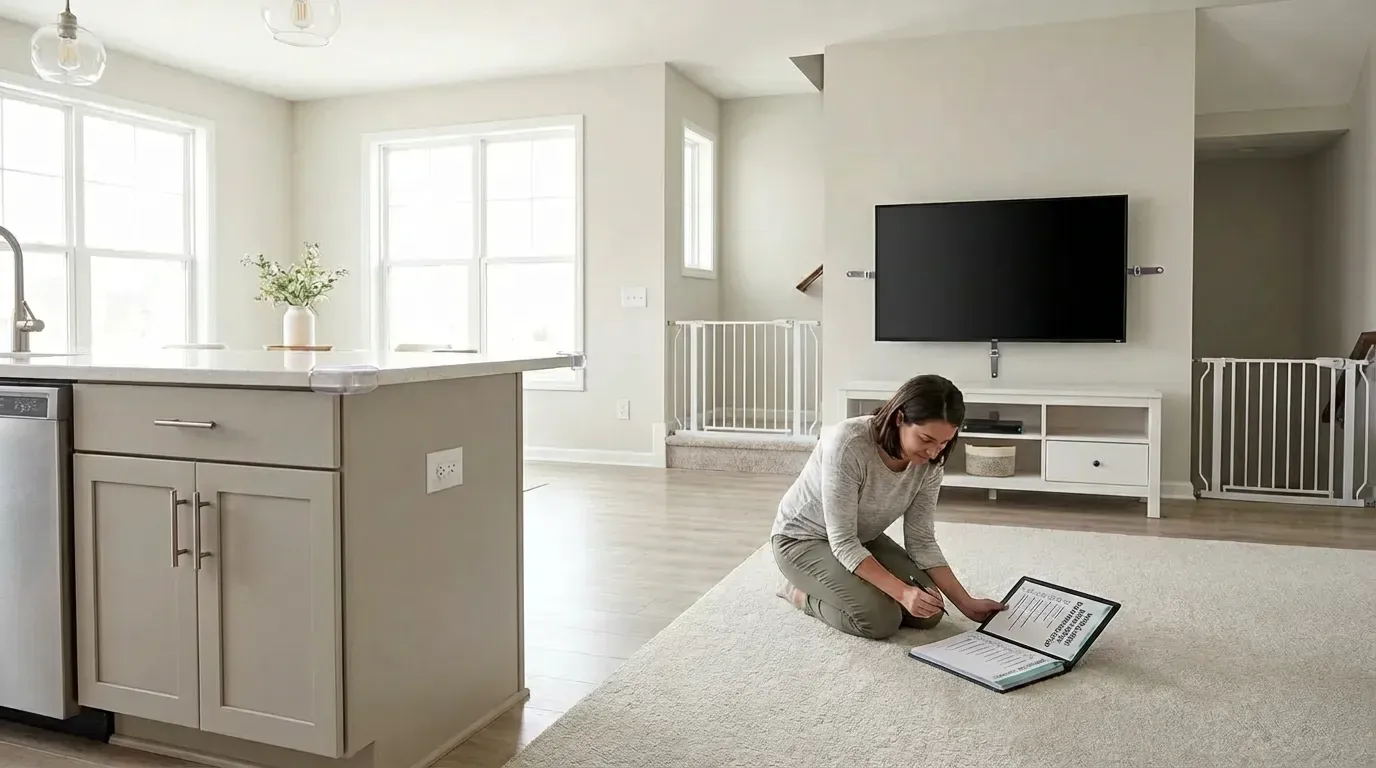
In this guide, we will look at what comprehensive home babyproofing should actually include, where popular all-in-one safety kits usually fall short, which overlooked safety items matter most, and why kitchen and appliance locks often need special attention. We will also show how a checklist-based approach can help you choose the right mix of core products and add-ons.
What Comprehensive Home Babyproofing Kits Should Include
True comprehensive home babyproofing is not just about plugging outlets and adding a few latches. It is a whole-home strategy that addresses falls, poisoning, burns, drowning, choking, strangulation, and entrapment as babies grow from pre-crawling to toddlerhood.
Authoritative guidance from HealthyChildren's home safety guide and the AAP's safe environments resource consistently points to a room-by-room approach.
A practical comprehensive home babyproofing setup should cover these categories:
| Area | Core items commonly needed | Often missed in kits |
|---|---|---|
| Living room | Outlet covers, corner guards, cord management | Furniture anchors, blind cord devices |
| Nursery | Furniture anchoring, cord safety, safe placement | Monitor cord planning, drawer locks |
| Kitchen | Cabinet locks, drawer locks, outlet covers | Oven locks, stove knob covers, fridge and dishwasher locks |
| Bathroom | Cabinet locks, non-slip mats | Toilet locks, medicine storage planning |
| Stairs and hallways | Gates, door safety items | Hinge pinch guards |
| Windows and doors | Door locks, high latches | Window guards or window stops |
Most parents discover that comprehensive home babyproofing works best when they start with a core kit and then fill gaps based on their home layout, child age, and high-risk rooms.
To secure cabinets and drawers in high-risk areas, the Vmaisi magnetic cabinet locks collection is especially relevant because it focuses on hidden, interior-mounted protection for everyday storage areas.
Comprehensive Home Babyproofing Checklists Make Kits Easier to Judge
One of the biggest reasons babyproofing checklists are so helpful is that they shift the question from What kit should I buy? to What hazards exist in my home? That is a much better starting point.
Most effective babyproofing checklists combine room-based and hazard-based thinking. Instead of relying on packaging claims like essentials or whole home, you can compare the checklist against what is actually in the box.
Here is a simplified checklist view for comprehensive home babyproofing:
| Checklist category | Must-check hazards | Product types that help |
|---|---|---|
| Falls | Stairs, furniture tip-overs, windows | Gates, furniture anchors, window stops |
| Poisoning | Cleaners, medicine, detergent pods | Cabinet locks, drawer locks, elevated storage |
| Burns | Ovens, stoves, hot appliances, bath water | Stove knob covers, oven locks, temperature control |
| Drowning | Toilet, bathtub, buckets | Toilet locks, supervision, quick water draining |
| Choking and strangulation | Cords, batteries, small objects, blinds | Cord management, locked storage, decluttering |
This is where babyproofing checklists become more than an SEO term. They are a real planning tool. They also reveal why many all-in-one safety kits are not truly enough on their own.
If you are prioritizing cabinets first, the Vmaisi article on how to babyproof cabinets with magnetic locks offers practical guidance on where to start, including under-sink cabinets, bathrooms, knife drawers, and laundry storage.
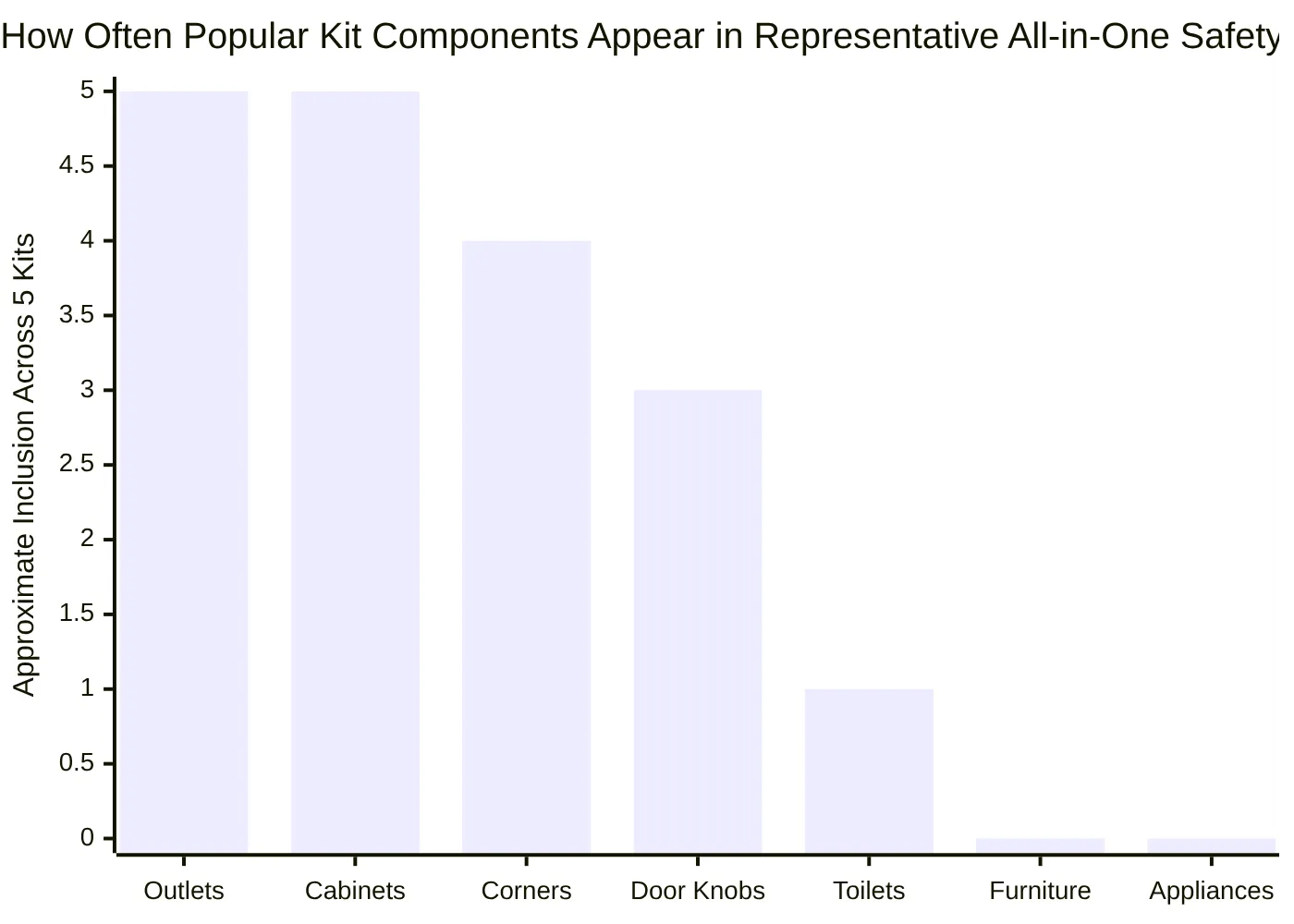
That pattern matches the research report closely: basics are common, but overlooked safety items are usually left out.
Comprehensive Home Babyproofing Review of All-in-One Safety Kits
If you compare representative all-in-one safety kits from major brands and retailers, they tend to share the same strengths and weaknesses.
What these kits usually do well
Most all-in-one safety kits include:
- Outlet covers.
- Basic cabinet or drawer latches.
- Corner guards.
- Some door accessories or multi-use straps.
That makes them convenient for first-time buyers. They reduce research time, lower decision fatigue, and create the feeling of full coverage. This is exactly why bundle marketing works so well in babyproofing.
Where these kits usually fall short
The biggest issue is not quality alone. It is scope. Across common kit roundups, the same missing categories keep appearing:
- Furniture anchors.
- Window guards or stops.
- Blind cord safety devices.
- Toilet locks.
- Hinge pinch guards.
- Dedicated kitchen and appliance locks.
That means a family can buy a box labeled whole home and still remain underprotected in some of the highest-risk areas.
Quick comparison of common kit patterns
| Kit pattern | Good for | Common weakness |
|---|---|---|
| Budget starter kit | Basic first-pass coverage | Too limited for true comprehensive home babyproofing |
| Large piece-count kit | Convenience and value perception | Too many duplicates, still missing specialized items |
| Multi-use latch bundle | Flexible on cabinets and some appliances | May be bulky or visible |
| Magnetic cabinet lock focused setup | Clean look, hidden cabinet safety | Needs complementary products for appliances and windows |
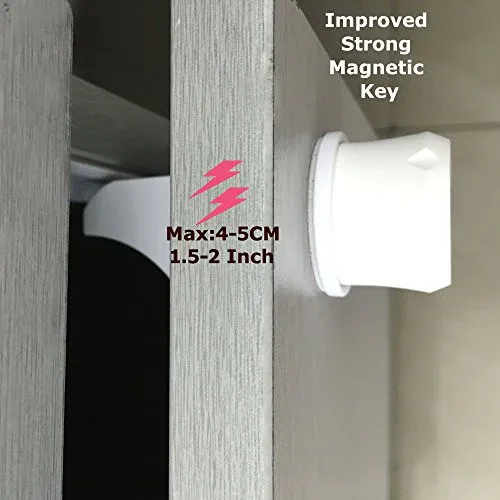
For parents who want a cleaner look in kitchens and bathrooms, Vmaisi's 12-Pack Magnetic Cabinet Locks, 16-Pack Magnetic Cabinet Locks, and 20-Pack Magnetic Drawer & Cabinet Locks fit the core safety layer role better than many generic mixed kits because they directly address one of the most-used protection categories in the home.
Still, even a strong cabinet-lock setup should be part of a larger comprehensive home babyproofing plan.
Comprehensive Home Babyproofing Needs Overlooked Safety Items and Kitchen and Appliance Locks
This is the section many parents do not realize they need until after the first round of babyproofing.
The overlooked safety items are often the ones tied to severe injuries or daily frustration. Expert guidance strongly supports paying attention to these items even though many mainstream kits barely mention them.
Overlooked safety items that deserve more attention
- Furniture and TV anchors for tip-over prevention.
- Blind cord winders or cleats.
- Window guards or window stops.
- Toilet locks.
- Door hinge guards and finger pinch protectors.
- Laundry and garage cabinet security.
- Appliance-specific locks.
These overlooked safety items matter because babies and toddlers do not explore in neat categories. A child who opens a bathroom vanity may next pull on a blind cord, then wander into the kitchen and tug on a dishwasher.
Why kitchen and appliance locks are so important
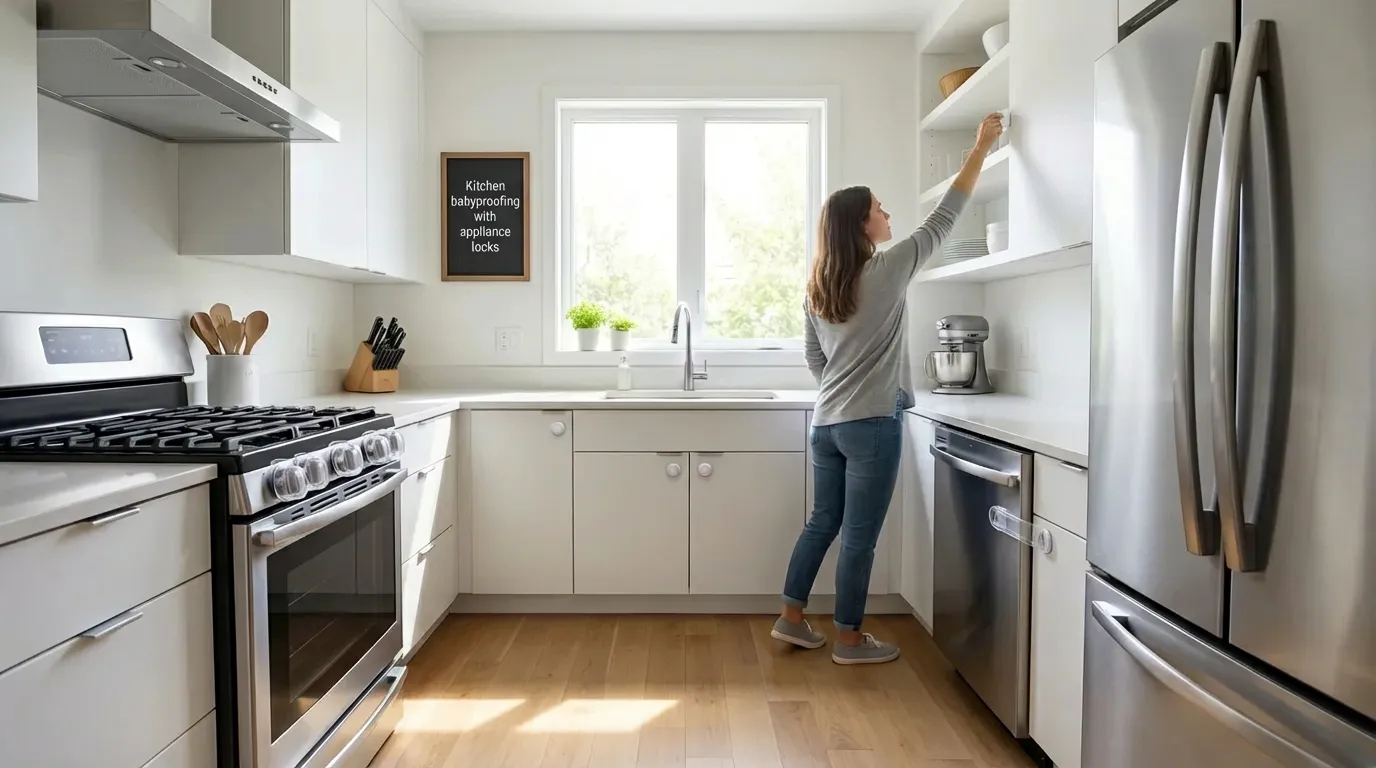
The kitchen is consistently one of the highest-risk rooms in the house. It combines poisoning risk, burn risk, cut risk, and crush risk in one place. Yet many all-in-one safety kits stop at generic cabinet latches.
For stronger kitchen coverage, families often need:
- Cabinet and drawer locks for cleaners, knives, and tools.
- Fridge locks.
- Dishwasher locks.
- Oven locks.
- Stove knob covers.
- Trash can locks where needed.
Vmaisi has useful planning content on this topic in its Child Safety Locks for Fridge & Oven Guide, which explains why appliance protection should be part of a layered plan rather than an afterthought.
If you are dealing with awkward layouts, the article on magnetic cabinet locks for corner cabinets is also worth reviewing before you buy.
How Bundle Marketing Shapes Comprehensive Home Babyproofing Choices
Bundle marketing is not just a brand strategy. It affects how parents think. A larger kit feels more complete, even when it is mostly extra outlet covers and a few repeated latches.
That does not mean bundles are bad. It means parents should evaluate them more critically.
A smart way to think about comprehensive home babyproofing is this:
- Buy a core bundle for everyday basics.
- Use babyproofing checklists to identify gaps.
- Add targeted pieces for overlooked safety items.
- Recheck your setup as your child starts crawling, climbing, and opening doors.
This layered method is more realistic than expecting any single box to solve everything.
For many homes, the best bundle structure looks like this:
| Bundle layer | What it should cover |
|---|---|
| Core whole-home kit | Outlet covers, cabinet locks, corner guards, door safety basics |
| Kitchen add-on | Extra cabinet locks, fridge lock, dishwasher lock, oven safety items |
| Furniture and window add-on | Anchors, blind cord safety, window stops |
| Bathroom and laundry add-on | Toilet lock, cabinet locks, detergent and medicine storage protection |
That is why the most practical recommendation from this review is not find the biggest kit. It is build a complete system.
If cabinet safety is your first priority, start with the Vmaisi magnetic cabinet locks collection. If you want step-by-step planning support, read how to babyproof cabinets with magnetic locks and then compare your home against a full room-by-room checklist.
In short, the best approach to comprehensive home babyproofing is transparent and flexible: use a strong core setup, do not ignore overlooked safety items, and give kitchen and appliance locks the extra attention they deserve. No kit is universally perfect, but a checklist-driven strategy can get you much closer to genuine whole-home safety.