BPA-Free Baby Safety Products: What Parents Need
Are you confused about which babyproofing products are actually safe when every package says BPA-free, non-toxic, or eco-friendly, but none of those labels tell you what really matters for your baby?
That confusion is completely understandable. For parents, especially mothers with new babies, shopping for safer home products often feels like sorting through marketing instead of getting clear answers. The good news is that you do not need to guess. When you focus on sustainable and certified baby safety products, it becomes much easier to separate meaningful proof from vague claims.
In simple terms, BPA-free products can be a good sign, but they are only one part of the decision. A better buying framework also looks at safety compliance, material transparency, relevant certifications, installation practicality, durability, and honest claims about recyclable packaging. That is the approach parents can use to make smart, calm choices without overbuying.
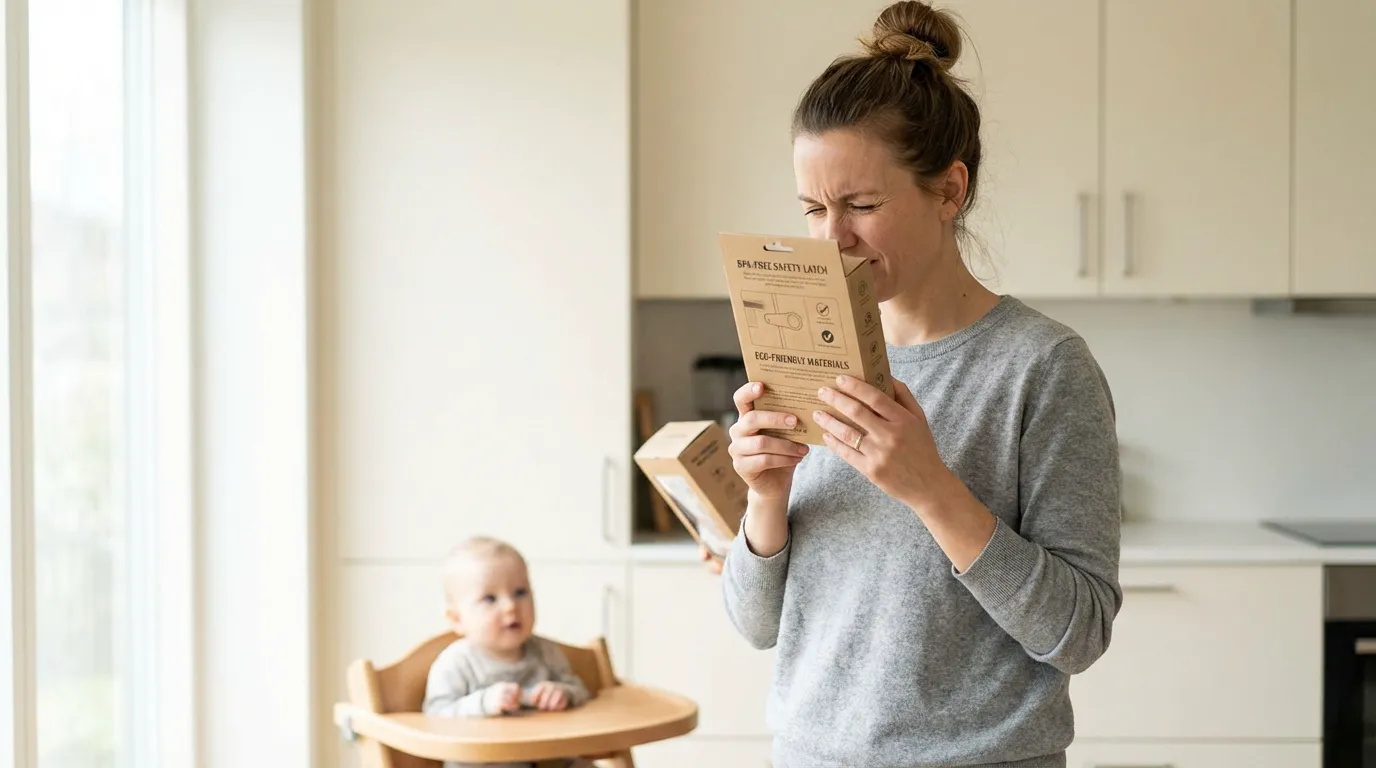
If you want a broader starting point for eco-friendly babyproofing, Vmaisi has a helpful eco-friendly babyproofing guide that connects safer materials with practical home use.
What sustainable and certified baby safety products really mean
The phrase sustainable and certified baby safety products combines two ideas that parents often see mixed together, even though they are not the same thing.
Sustainable usually refers to products that are durable, practical, reusable when possible, and packaged with less waste. In babyproofing, this often matters more than trendy green wording. A lock or latch that lasts, works properly, and does not need frequent replacement is often the more responsible choice.
Certified refers to products that are supported by a recognized standard, test, or third-party review. For U.S. parents, the strongest trust signals usually start with regulatory compliance and category-specific standards, then move to certifications that fit the product type.
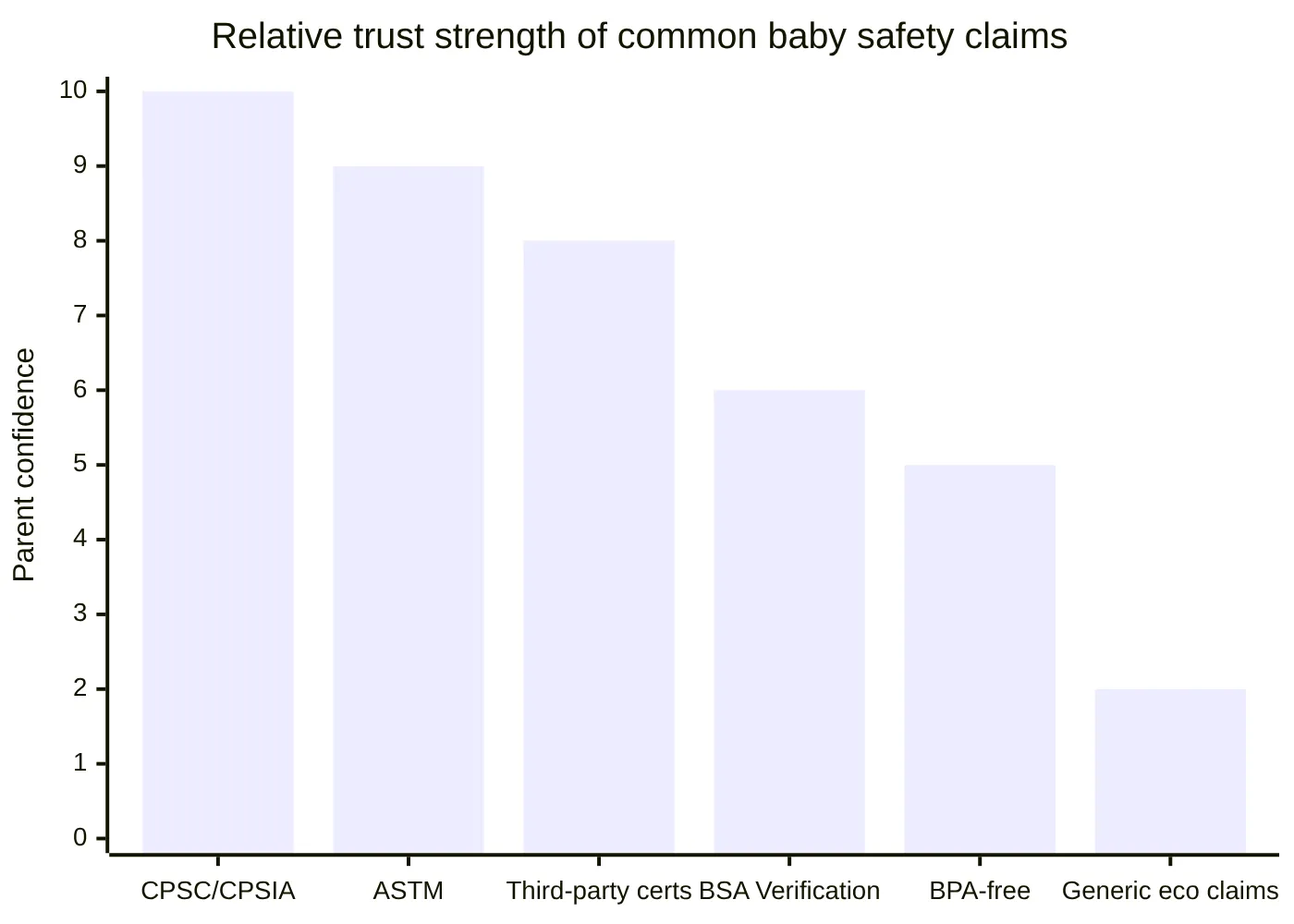
Here is a simple way to think about claim strength:
| Claim or label | What it tells parents | Confidence level |
|---|---|---|
| CPSC or CPSIA compliance | Meets baseline U.S. children product requirements where relevant | High |
| ASTM standard reference | Shows category-specific safety testing or performance expectations | High |
| OEKO-TEX, GREENGUARD Gold, FSC, GOTS | Useful third-party proof when relevant to the product type | Moderate to high |
| Baby Safety Alliance Verification | A real supplemental trust signal, but not a universal certification | Moderate |
| BPA-free products | Addresses one chemical concern only | Moderate |
| Non-toxic or eco-friendly | Often too vague unless supported by specifics | Low |
This hierarchy matters because many parents understandably use BPA-free as a shortcut for safe. Research suggests that is too narrow. The better question is whether the product gives layered proof.
Why BPA-free products matter, but are not enough for sustainable and certified baby safety products
BPA-free products matter because bisphenol A has been linked to health concerns that parents reasonably want to avoid. According to the FDA overview on BPA, BPA is no longer used in baby bottles and sippy cups sold in the U.S. after regulatory action and industry changes. The European Chemicals Agency overview also highlights why BPA has remained a chemical of concern.
That said, BPA-free does not mean a product is automatically low-toxicity, hypoallergenic, or free from all other chemicals that parents worry about. It does not automatically answer questions about phthalates, VOCs, adhesives, coatings, or replacement chemicals such as BPS or BPF. It also does not tell you whether the product is mechanically reliable, which is essential in babyproofing.
This is especially important in home safety products because not all baby items have the same exposure level. A product your baby mouths or chews deserves especially close material review. A hidden cabinet lock inside a drawer has a different contact profile than a teether, bottle, or fabric item. That distinction helps parents avoid unnecessary fear while still making safer choices.
For a deeper look at safer material language, Vmaisi also covers hypoallergenic materials in baby products, which is useful if your baby has sensitive skin or you want clearer guidance beyond front-label claims.
A practical takeaway is this: BPA-free products are worth noticing, but they should be treated as a first filter, not the final answer. Parents shopping for sustainable and certified baby safety products should keep asking what materials are used, what standards apply, and whether the product is built for reliable daily use.
How to choose sustainable and certified baby safety products with more confidence
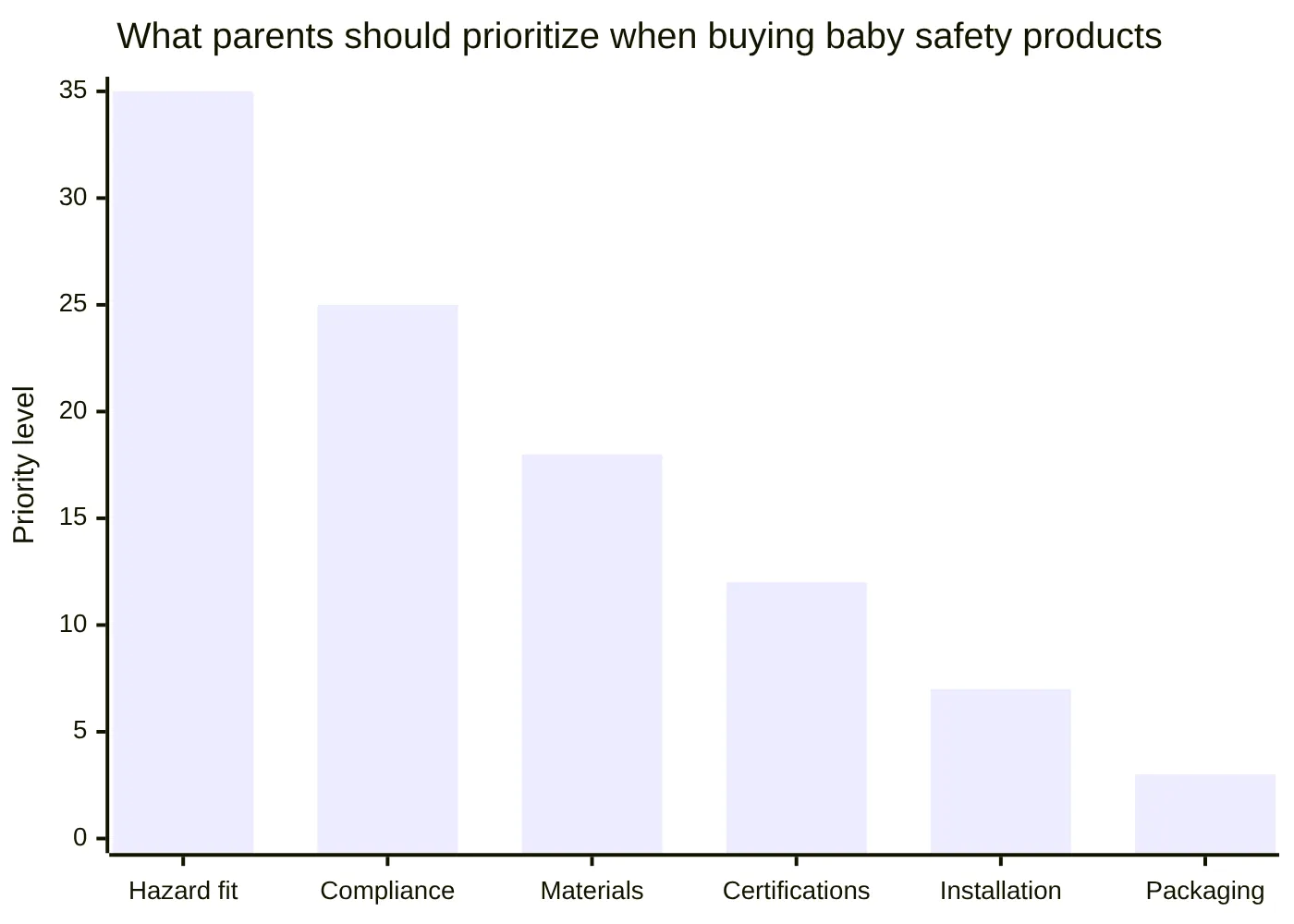
If you want a calmer way to shop, use this five-step checklist. It works well because it starts with the actual hazard you are trying to solve, not the marketing on the box.
1. Match the product to the real hazard
Start with the risk in your home. Cabinets with cleaning products, bathroom drawers, and lower kitchen storage are common high-priority areas. The product should solve that hazard reliably, not just sound safer on paper.
2. Check compliance and standards first
For children products, CPSC testing and certification guidance is a stronger baseline than broad advertising language. If a product category has ASTM standards, that is another meaningful signal. In most cases, regulatory compliance and category fit should matter more than decorative badges.
3. Look for clear material transparency
Parents deserve to know whether a product uses silicone, polypropylene, ABS plastic, metal, wood, foam, or adhesives. Clear disclosure is much more useful than vague language like premium material or safe plastic. Transparent brands make it easier to compare options honestly.
4. Use certifications that fit the product type
Not every certification applies to every product. For example:
- OEKO-TEX STANDARD 100 is especially relevant for textiles and soft-touch items.
- UL GREENGUARD Gold is more relevant to low chemical emissions and indoor air quality.
- FSC labels can support paper or wood sourcing and may also add credibility to recyclable packaging claims.
- GOTS is useful for organic textiles.
- Baby Safety Alliance Verification can be considered an added trust signal, but not a substitute for broader certification or compliance evidence.
5. Consider durability, installation, and waste together
This is where eco-friendly babyproofing becomes practical. A durable product that installs cleanly, works in multiple rooms, and reduces replacement can be a better sustainability choice than a flimsy item with trendy environmental wording. Parents also appreciate options that are renter-friendly and low-damage.
| What to check | Why it matters | Better sign |
|---|---|---|
| Hazard fit | Prevents the actual household risk | Product designed for that exact use |
| Compliance | Shows baseline safety expectations | CPSC or relevant ASTM reference |
| Materials | Helps assess contact and irritation concerns | Specific material disclosure |
| Certification | Adds third-party confidence where relevant | Named, relevant standard |
| Durability and install | Supports low-waste, real-life use | Long-lasting, practical, low-damage design |
If you are focused on cabinets and drawers first, the Vmaisi magnetic cabinet locks collection is a useful place to compare concealed options that fit everyday kitchen and bathroom babyproofing.
Which materials support eco-friendly babyproofing and hypoallergenic materials goals
Parents searching for eco-friendly babyproofing are often really asking a more practical question: which materials feel safer, less irritating, and more trustworthy in daily use?
In babyproofing products, no single material is perfect for every purpose. The better approach is to consider where the product goes, how much contact your baby has with it, and whether the brand clearly explains what it is made from.
Silicone is often viewed favorably in contact-heavy baby categories because it is flexible and relatively familiar to parents. Metal hardware can be reassuring for strength and durability. Carefully disclosed plastics such as polypropylene or ABS may still be perfectly appropriate in many babyproofing applications, especially where the item is hidden or not intended for mouthing. Wood and fiber components may support sustainability goals when responsibly sourced, and certifications can help confirm that.
When parents look for hypoallergenic materials, it is important to understand what that phrase really means. It generally suggests a lower likelihood of triggering irritation, but it is not a guarantee. This term is most useful when paired with specifics, such as latex avoidance where relevant, low-emission context for indoor products, or certifications that fit fabric-based items.
Here is a quick materials guide:
| Material type | Common parent perception | Best use context | Caution |
|---|---|---|---|
| Silicone | Flexible and lower-concern in many baby categories | Soft-touch or contact-heavy components | Recycling access is often limited |
| Metal | Durable and sturdy | Internal hardware or long-life parts | Not always relevant to skin comfort |
| Polypropylene or ABS | Common and practical | Hidden or structural babyproofing parts | Needs clear disclosure |
| Foam | Can vary widely | Cushioning uses only if clearly described | Quality and additives may be less transparent |
| Textiles | Comfort-focused | Soft nursery-related products | Best with OEKO-TEX or similar proof |
This is why sustainable and certified baby safety products should not rely on one buzzword. Material clarity, realistic use-case guidance, and relevant proof all work together. That is also what makes eco-friendly babyproofing more credible to cautious parents.
How Baby Safety Alliance Verification and recyclable packaging fit into sustainable and certified baby safety products
Two claims that parents increasingly notice are Baby Safety Alliance Verification and recyclable packaging. Both can be useful, but both should be understood in context.
Baby Safety Alliance Verification appears to be a real voluntary verification signal, and it can help support trust. But it should be treated as supplementary, not as an all-purpose certification that proves everything about safety, sustainability, or allergen risk. In other words, it can be a positive sign, but it should not outweigh compliance, standards, or transparent materials.
Recyclable packaging is similar. It can support a more responsible purchase, especially when brands avoid excessive mixed-material packaging and use paperboard or cardboard with a realistic recycling path. But recyclable packaging does not prove the product itself is safer. It also does not always mean the packaging will be accepted in every local recycling system.
For parents trying to keep sustainability realistic, this order usually helps:
- Buy fewer, better products.
- Choose durable solutions that actually solve hazards.
- Prefer honest material disclosure.
- Value low-waste or recyclable packaging when it is clearly explained.
- Treat unsupported eco claims with caution.
That is the most useful version of eco-friendly babyproofing for real homes. It is less about perfection and more about reducing risk, reducing waste, and choosing products that hold up.
If you want a no-drill option for cabinets, this guide to magnetic cabinet locks without screws can help you compare renter-friendly installation approaches before you buy.
What parents should do next when comparing sustainable and certified baby safety products
If you feel overwhelmed, the best next step is not to replace everything at once. Start with one high-risk zone and apply a clear buying framework. For many homes, that means cabinets and drawers in kitchens and bathrooms where children can reach chemicals, sharp tools, or breakable items.
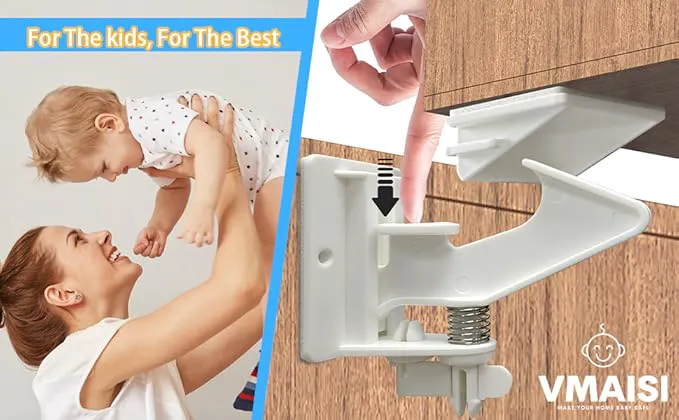
A smart first move is to choose a concealed, practical product that solves the hazard without creating daily frustration. That is where a focused solution can help. The Vmaisi Adhesive Magnetic Cabinet Locks for Babies product page is a strong place to start if you want a hidden, no-drill option for cabinet babyproofing.
You can also explore Vmaisi reviews and practical setup tips or browse customer feedback on babyproofing products if you want more real-world reassurance before making a decision.
The bottom line is simple: BPA-free products can be helpful, but parents should not stop there. The best sustainable and certified baby safety products combine real hazard protection, transparent materials, relevant standards, practical installation, and honest sustainability claims. When you shop that way, you do not need to rely on marketing shortcuts. You can choose with confidence.