

Guide to Childproofing a Medicine Cabinet Safely
Are you worried that your toddler can reach the bathroom cabinet the second you turn your back, or that a curious preschooler might climb up and find medicine that looks like candy?
Keeping medicines secure is one of the most important parts of home safety. If you are wondering how to childproof a medicine cabinet, the safest approach is not just one fix. It is a layered plan: store medicines up high, keep them out of sight, lock the cabinet, organize the contents, and make sure every adult in the home follows the same routine.
According to the U.S. Consumer Product Safety Commission, tens of thousands of children under age 5 are treated in emergency departments each year for unintentional poisonings, and most of these injuries happen at home. America's Poison Centers also reports hundreds of thousands of exposure cases in children under 6 each year, with medicines and supplements among the leading substances involved. That is why trusted guidance from the CDC, HealthyChildren.org, and Safe Kids Worldwide consistently recommends storing medicines 'up, away, and locked.'
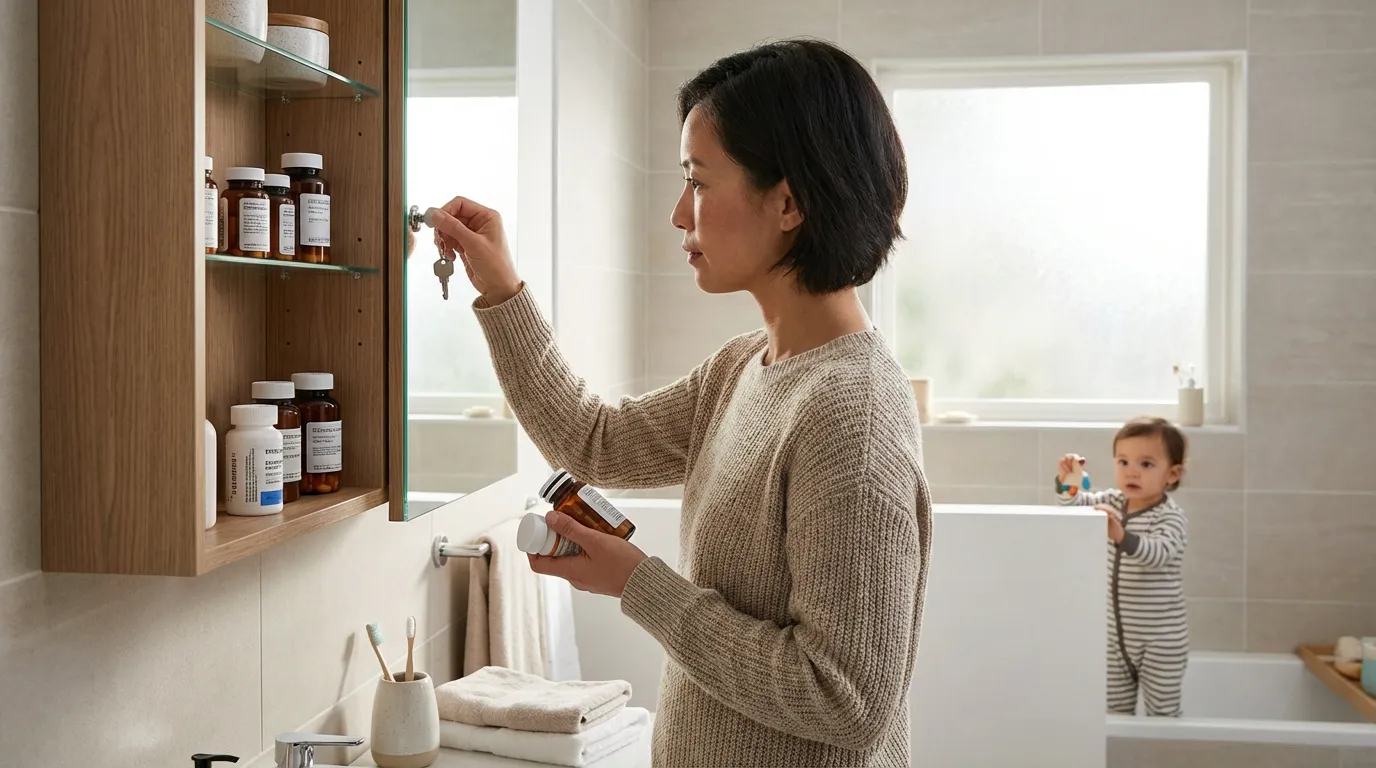
Why how to childproof a medicine cabinet matters for families
When people search how to childproof a medicine cabinet, they are usually trying to solve a very real problem: children are faster, more curious, and better climbers than adults expect.
Authoritative child safety guidance points to several consistent risks:
- Medicines are often stored in common household spaces like bathroom cabinets, kitchen cabinets, counters, purses, and nightstands.
- Child-resistant caps help, but they are not truly childproof.
- Toddlers and preschoolers may climb toilets, stools, drawers, or shelves to reach a high cabinet.
- Gummies, vitamins, and colorful pills may look like candy to a child.
- During illness, caregivers may accidentally leave medicine out for convenience.
Here is a quick look at why young children are the priority group for prevention:
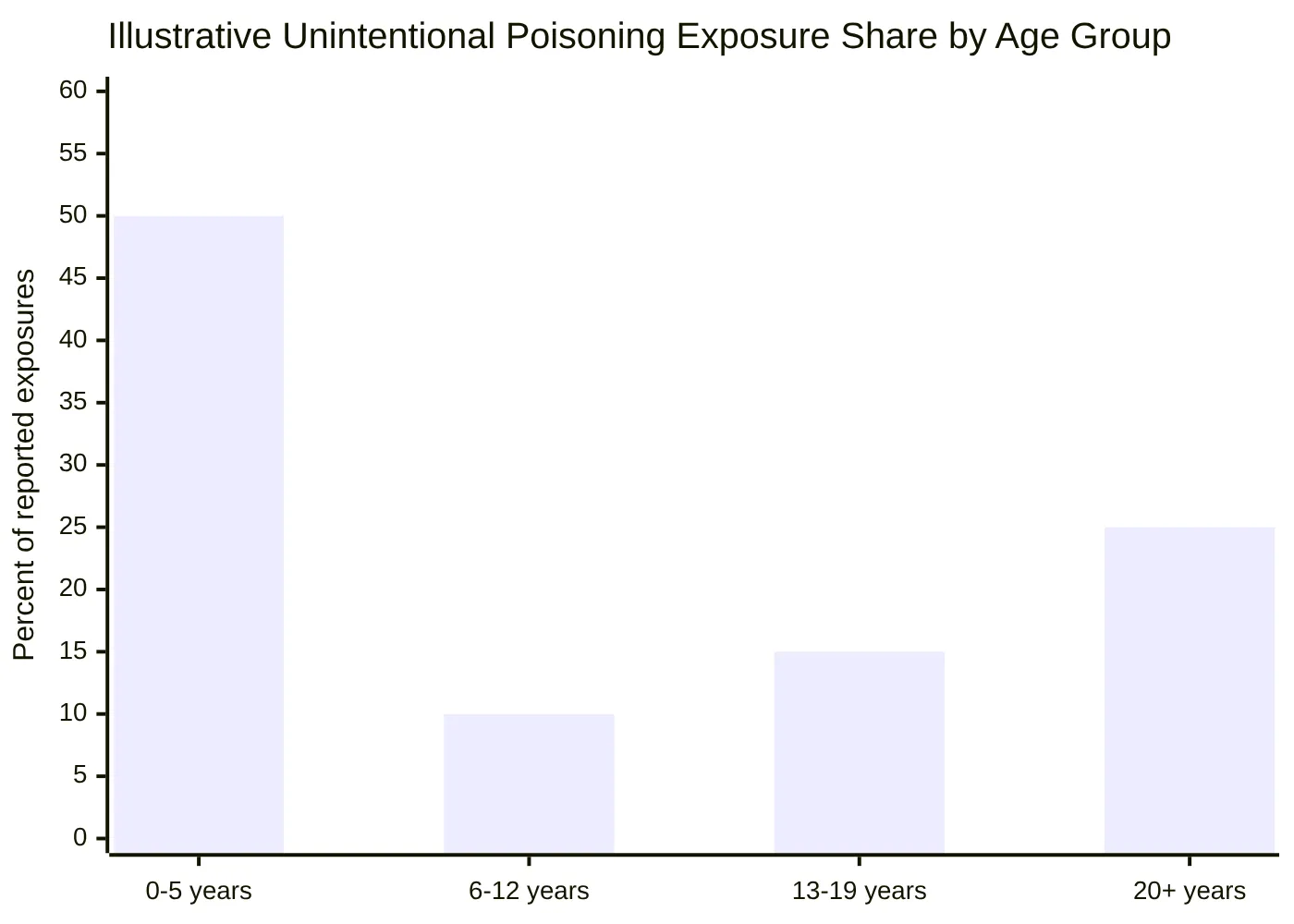
Sources include the CPSC pediatric poisoning injury report, the updated CPSC report, and national poison statistics from America's Poison Centers.
The biggest medicine cabinet danger zones
Not every medicine cabinet looks the same, but these setups are commonly risky:
| Cabinet or storage spot | Main risk | Safety level without a lock |
|---|---|---|
| Bathroom mirror cabinet | Child can climb using toilet or stool | Medium to high risk |
| Under-sink cabinet | Easy reach plus possible cleaners nearby | High risk |
| Kitchen cabinet used for medicine | Often visible and part of daily routine | Medium to high risk |
| Nightstand or bedroom drawer | Quick adult access, easy child access too | High risk |
| Purse or bag left nearby | Portable, often overlooked by adults | High risk |
A useful reminder from the CDC is that medicines should be put away immediately after each use, even if your child is sick and needs multiple doses throughout the day. You can review that advice in the CDC medication safety guidance and the CDC blog on putting medicines up and away.
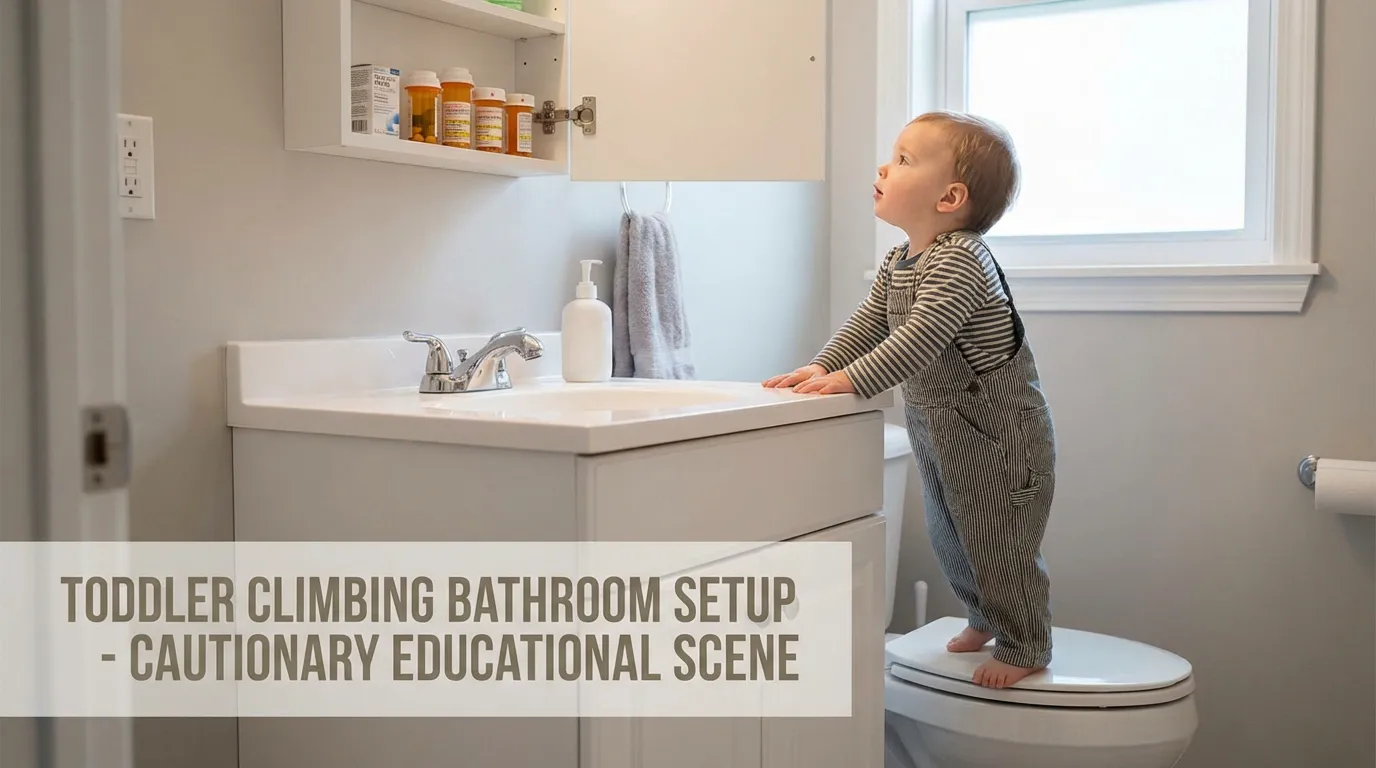
How to childproof a medicine cabinet step by step
If you want the safest answer to how to childproof a medicine cabinet, start with placement first and locks second. A lock is essential, but it works best as one layer in a full safety plan.
1. Move medicines to the safest possible location
The CDC and pediatric safety organizations recommend keeping medicines:
- Up high.
- Out of sight.
- In a locked location.
- In original containers with labels intact.
If possible, avoid storing medicines in a humid bathroom cabinet at all. A cool, dry location is often better, especially for long-term storage. CHKD specifically notes that bathrooms can be a poor place for medicine storage because of humidity. See their medication safety and storage guidance.
Best practice:
- Use a high cabinet above adult chest height when possible.
- Remove step stools or anything children can climb.
- Separate high-risk prescription medicines from everyday items.
- Never keep medicine on the counter just for later.
2. Choose the right lock for the cabinet type
The best solution depends on what kind of cabinet you have. This is where many parents start comparing the best child locks for medicine cabinet use.
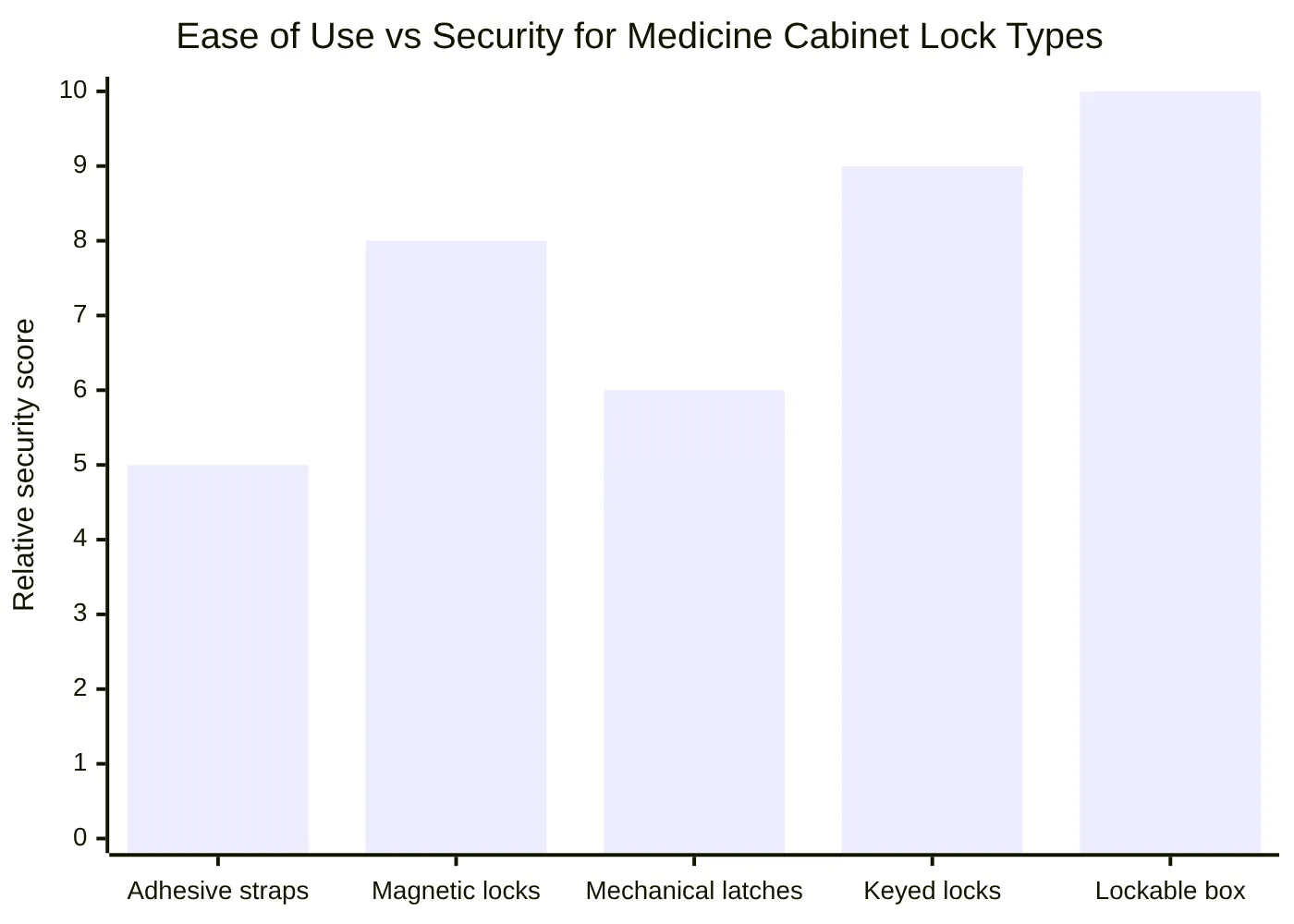
| Lock type | Best for | Main advantage | Main trade-off |
|---|---|---|---|
| Internal magnetic locks | Standard wood or composite cabinets | Hidden, strong, clean look | Need correct alignment and a stored key |
| Adhesive strap locks | Glass, metal, frameless, rental-friendly cabinets | Fast install, versatile | Visible from outside |
| Internal mechanical latches | Basic wood cabinets | Familiar design, budget-friendly | Often less secure for older toddlers |
| Keyed or combination locks | High-risk medications | Strong security | Less convenient for daily access |
| Lockable medicine box | Extra-dangerous or controlled medicines | Highest security layer | Extra step to access |
For many families, internal magnetic systems are among the best child locks for medicine cabinet setups when the cabinet construction supports them.
Vmaisi's Magnetic Cabinet Locks collection is designed for hidden, inside-the-cabinet installation. According to product details on the site, these locks work on many cabinets and drawers up to about 2 inches thick, use strong adhesive for no-drill installation, and can also be reinforced with screws if needed.
If you have a frameless, mirrored, metal, or tricky cabinet surface, Vmaisi Multi-Use Adhesive Straps may be a better fit because they are more adaptable to non-standard layouts.
3. Install the lock correctly
Improper installation can make even a good product less effective. Based on Vmaisi guidance and customer installation notes, a few practical tips matter:
- Clean and dry the mounting surface fully.
- Test the placement before removing adhesive backing.
- Use the magnetic key to check for hidden metal in the cabinet area if you are installing a magnetic lock.
- Follow cure-time recommendations before regular use.
- Test every door several times after installation.
If you want an example focused specifically on this topic, see Vmaisi's blog post on how to childproof a medicine cabinet. For broader hidden-lock setup tips, their guide on how to babyproof cabinets with magnetic locks is also useful.
4. Keep the magnetic key out of reach
One common mistake with magnetic systems is storing the key too low or too close to where a child can watch and imitate. Store the key:
- High up and out of sight.
- In a consistent spot adults can remember.
- With a spare key available in another secure location.
If your household uses multiple locked cabinets, Vmaisi replacement magnetic keys can help make access more practical without leaving the only key in an unsafe place.
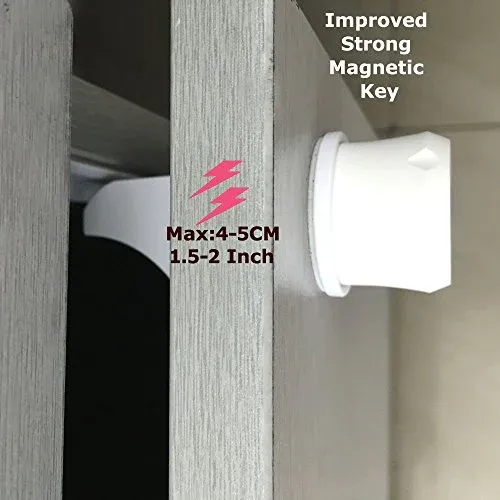
How to childproof a medicine cabinet with the best child locks for medicine cabinet use
If your goal is to compare the best child locks for medicine cabinet options clearly, here is the practical takeaway: the right lock depends on cabinet material, cabinet geometry, and how often adults need access.
When magnetic locks are often the best child locks for medicine cabinet setups
Magnetic locks are often a top choice when you want:
- A hidden look.
- Strong toddler resistance.
- No visible hardware on the cabinet exterior.
- A renter-friendly installation option.
- Coverage for multiple cabinets and drawers in the home.
Vmaisi offers several pack sizes depending on how many cabinets you need to secure, including the Vmaisi Baby Proofing Magnetic Cabinet Locks 12 Pack, the 16 Pack magnetic child safety locks, and the 4 Pack magnetic cabinet locks.
Here is a simple comparison of lock styles for medicine cabinet use:
When strap locks may be better
Adhesive strap locks can be the best child locks for medicine cabinet situations when:
- The cabinet is mirrored, metal, glass, or frameless.
- Internal magnetic alignment is difficult.
- You are babyproofing a temporary home or rental.
- You want a visible reminder to relock.
When to add a second layer
For opioids, sedatives, ADHD stimulants, psychiatric medicines, or anything especially dangerous, a cabinet lock alone may not be enough. Pediatric and medication safety guidance supports using locked storage, and in higher-risk situations, a lockable medicine box inside a locked cabinet is a stronger setup.
How to childproof a medicine cabinet beyond locks
A safe medicine cabinet is not just about hardware. It is also about how you store, organize, and maintain what is inside.
Keep medicines in original containers
This helps avoid confusion, dosing mistakes, and accidental access to loose pills. Safe Kids and pediatric guidance consistently warn that child-resistant packaging is not the same as childproof packaging. You can review that point in the Safe Kids medicine storage guide.
Organize contents so adults do not leave the cabinet open longer
Use labeled bins or sections for:
- Children's medicines.
- Adult prescription medicines.
- Vitamins and supplements.
- First aid items.
- Sharps or potentially dangerous tools.
The less time adults spend searching with the cabinet open, the better.
Remove expired and unneeded medicines
Review the cabinet every 6 to 12 months. Remove expired products and use take-back programs or pharmacist guidance for disposal. Nationwide Children's highlights regular clean-outs as part of safer storage. See their safe medicine storage resource.
Prepare for emergencies
Keep the Poison Help number visible: 1-800-222-1222.
Make sure babysitters, grandparents, and other caregivers know:
- Where medicines are stored.
- How the lock works.
- What to do if they suspect a child swallowed something.
How to childproof a medicine cabinet and avoid common mistakes
Even careful parents can overlook a few common safety gaps. These are the mistakes most often flagged by the CDC, HealthyChildren.org, Safe Kids, and children's hospitals.
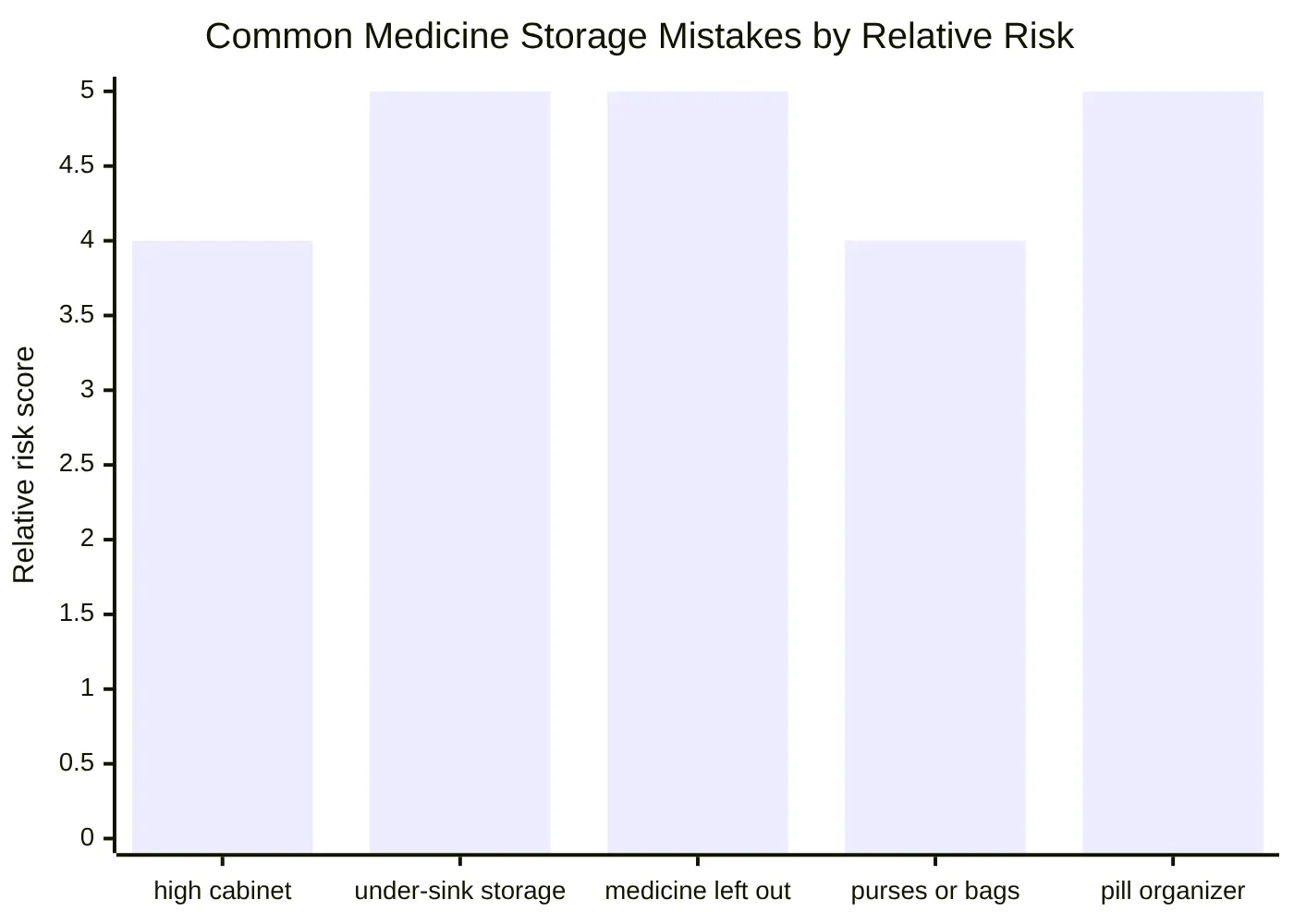
| Mistake | Why it is risky | Better approach |
|---|---|---|
| Relying on height alone | Children climb toilets, stools, and shelves | Use height plus a lock |
| Trusting child-resistant caps only | Many exposures still involve child-resistant packaging | Keep medicines locked |
| Leaving medicine out between doses | Quick access becomes child access | Put medicine away immediately |
| Using open pill organizers in an unlocked cabinet | Easy for children to open | Keep organizers inside locked storage |
| Storing medicine in purses or bags | Often left within reach | Move bags out of reach or into closed storage |
Here is a simple visual summary of mistake severity:
A related Vmaisi article on magnetic cabinet locks for corner cabinets is worth reading if your cabinet layout is unusual and you are unsure whether an internal lock will align properly.
FAQ about how to childproof a medicine cabinet
Is a high cabinet enough, or do I still need a lock?
No. Height helps, but it is not enough on its own. Children climb, especially toddlers and preschoolers. That is why authority guidance recommends medicines be stored up, away, and locked.
What are the best child locks for medicine cabinet use?
For standard wood cabinets, internal magnetic locks are often among the best child locks for medicine cabinet use because they are hidden, effective, and convenient for adults. For mirrored, metal, or frameless cabinets, adhesive strap locks may work better.
Do I still need a lock if medicine has child-resistant caps?
Yes. Child-resistant does not mean childproof. Safe Kids notes that many poisonings still involve products with child-resistant packaging.
Should I keep medicine in the bathroom?
Usually, a cool, dry place is better. Bathrooms add humidity and often put medicine in a room children visit often. If you do use a bathroom cabinet, keep it locked and out of sight.
Where should I keep my daily pill organizer?
Keep it inside locked storage. Weekly organizers are especially easy for children to open.
What should I do if I think my child swallowed medicine?
Call Poison Help right away at 1-800-222-1222 in the U.S. If your child collapses, has trouble breathing, has a seizure, or is not waking up, call emergency services immediately.
If you are ready to upgrade your setup, start with a lock style that fits your cabinet correctly and use it consistently. For standard cabinets, the Vmaisi Magnetic Cabinet Locks collection is a strong place to start. If you need a more flexible no-drill option for non-standard surfaces, Vmaisi Multi-Use Adhesive Straps can help secure harder-to-fit cabinets.
The most effective answer to how to childproof a medicine cabinet is simple: move medicines up high, keep them out of sight, add the right lock, organize the contents, and make safe storage a daily habit before a child ever gets the chance to explore.