

When to Buy Replacement Magnetic Keys Before You Need Them
Magnetic cabinet locks are designed to keep the locking mechanism inside the cabinet or drawer, which makes the magnetic key an important part of everyday access. A little planning before a key goes missing can prevent a frustrating search when you need to reach cleaning supplies, medicines, kitchen tools, or other stored items quickly.
A spare-key plan is not about keeping extras everywhere. It is about giving trusted adults dependable access while keeping keys consistently out of children's reach. Cabinet locks are one layer of a broader home-safety routine, not a substitute for adult supervision and safe storage practices.
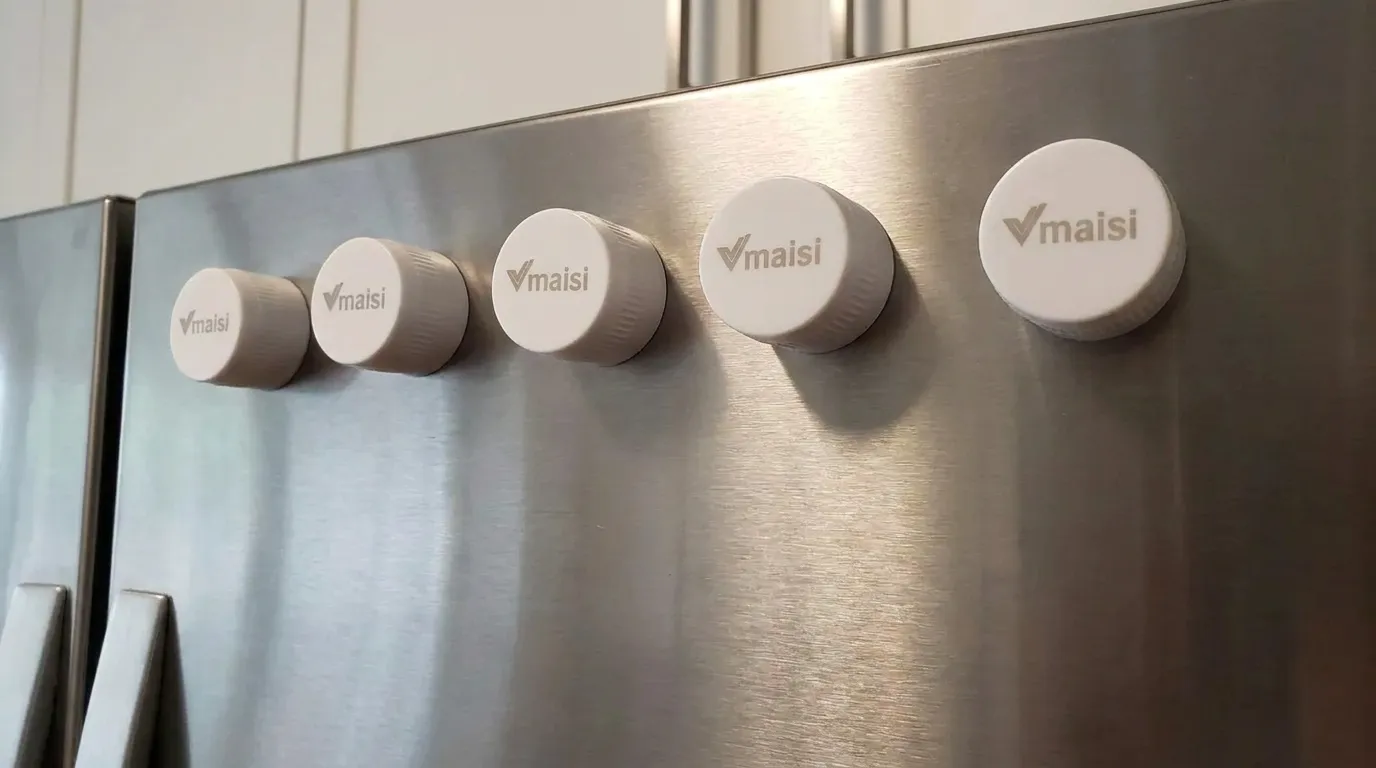
Signs that it is time to plan a spare
The best time to plan an additional key is before the household depends on a single one. Consider your daily routine, the number of adults who need access, and how widely locks are installed.
During the initial setup
Create the plan while you are installing locks. Note every cabinet and drawer that uses a magnetic mechanism, along with the lock manufacturer and product line if you know it. This record makes it easier to identify an appropriate replacement later and check the right instructions.
Decide where the primary key will live, who needs to know the location, and whether a backup is sensible. Establishing that routine early is easier than changing habits after everyone has started passing around one key.
When only one working key remains
A single key may work fine until it is left in a bag, moved during cleaning, or temporarily taken by another caregiver. That creates a single point of failure for household access.
If only one usable key remains, it is reasonable to add a backup and test it before depending on it. Do not assume that a key that looks similar will operate all magnetic locks in your home. Matching the lock manufacturer and following its instructions are important first steps.
Before travel, moving, or caregiving changes
Travel, renovations, moves, and extended visits create more handoffs, bags, boxes, and temporary storage choices than a normal week. Those changes make small but important household accessories easier to misplace.
Before a transition:
- Inventory the keys currently in use.
- Confirm which adults will need access.
- Test the backup key at home.
- Keep one adult-managed backup at home if another key will travel.
- Store keys and lock information together in a designated essentials container during a move.
Plan around adult access zones
The number of locked cabinets does not automatically determine how many keys you need. A better measure is the number of adult access zones in your home.
For example, locks concentrated in one kitchen may be manageable with one primary key and one tested backup. A home with magnetic locks in the kitchen, laundry room, bathroom, nursery, or on separate floors may need a more deliberate arrangement.
| Household situation | Practical planning question | Sensible next step |
|---|---|---|
| One compact lock area | Can regular adults find the primary key quickly? | Keep one primary key and consider one tested backup. |
| Locks on multiple floors | Would an adult need to search another floor for access? | Consider a second adult-only storage zone. |
| Regular grandparent or sitter care | Does another trusted adult need independent access? | Plan a direct handoff, temporary key, or clearly explained backup location. |
| Upcoming travel or move | Could keys get mixed into bags or boxes? | Test a spare and keep a designated home backup. |
| Damaged key holder or base | Will the key still be where adults expect it? | Inspect, replace as appropriate, and retest access. |
A simple access map can help prevent overbuying or underplanning:
The goal is consistency. One dependable, adult-accessible location near the main lock cluster is often more useful than several casually placed keys.
Keep spare keys accessible to adults—not children
The right storage spot keeps keys available to trusted adults but beyond a child's reach and understanding. Avoid leaving a key on a low counter, in a low drawer, on an accessible refrigerator surface, or displayed where a child can see an adult use it repeatedly.
Good options depend on your home's layout, but may include:
- An adult-height utility cabinet.
- A controlled home-office storage area.
- A high shelf in a room that children do not access independently.
- A designated upper storage zone near the primary cabinet-lock area.
The storage spot should be consistent rather than frequently changed. A backup that no adult can locate is not a useful backup.
For more general placement and household safety considerations, see Vmaisi's guide to childproofing a medicine cabinet safely. The U.S. Consumer Product Safety Commission also advises families to use safety devices as directed and reengage them after use in its home childproofing guidance.
Use neutral labels for adult organization
Labels can help trusted adults distinguish key locations without revealing their purpose to a child. Instead of writing "cabinet lock key" or "baby lock key," use a neutral household code such as:
- Kitchen A
- Upstairs B
- Utility C
- Initials associated with trusted adults
Keep the meaning of the code within the trusted-adult group. Labels support organization, but they are not a security guarantee. They should never replace careful key placement or supervision.
Inspect keys and storage bases
Check keys and any attached storage base periodically. Visible cracking, warping, looseness, or weakened adhesive can make a key less dependable as part of the routine.
If a storage base is no longer secure, relocate or replace it according to the applicable instructions. After any change, confirm that the key remains easy for adults to find and safely out of reach for children.
Test every new key before relying on it
A replacement key should be tested at every installed lock location before it becomes part of your emergency or daily-access plan. Cross-brand compatibility should never be assumed, even if locks or keys appear alike.
Test each cabinet and drawer using the route an adult would actually take through the home. Hold the key near the installed lock position and move it slightly if the manufacturer's instructions call for adjustment. Confirm that the cabinet or drawer opens as intended, then close it and verify that the lock reengages.
Pay particular attention to these factors:
- Door or drawer-front thickness: Construction can affect how a magnetic locking system performs.
- Hidden metal or hardware: Metal components near the lock area may affect key placement in a particular installation.
- Lock and key alignment: The key must be positioned near the installed mechanism.
- Installation accuracy: Misaligned locks or catches can affect opening and closing.
- Exact manufacturer instructions: Use the guidance for the locks you actually own, rather than treating another brand's directions as universal.
For homes with unusual cabinet layouts, guidance on babyproofing cabinets with magnetic locks can help you review placement considerations before treating a spare as dependable.
If a new key does not work reliably at one location, do not rely on it there. Recheck the lock position, cabinet construction, and manufacturer instructions before changing your access plan.
Choose a useful quantity and confirm the lock type
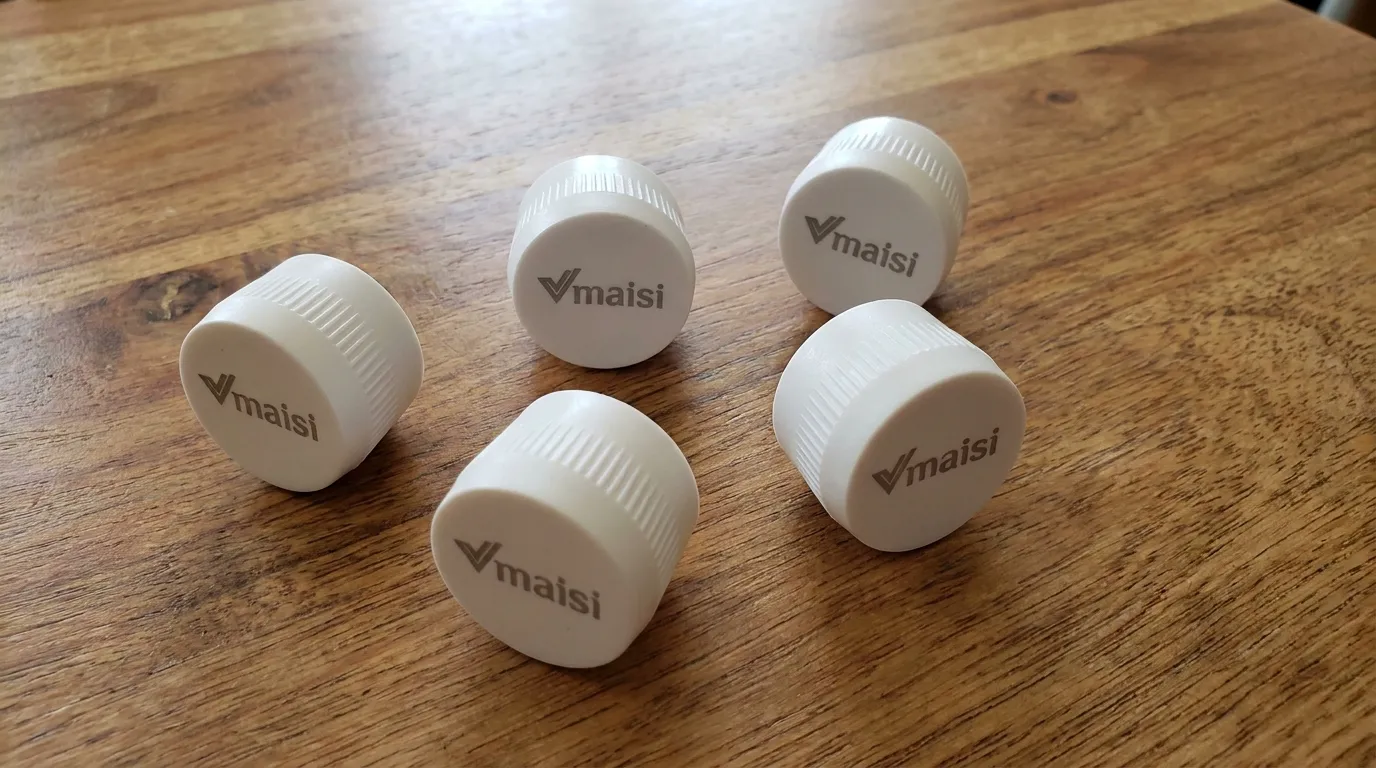
For households already using Vmaisi magnetic cabinet locks, the Vmaisi Magnetic Cabinet Locks Replacement Keys are available in 2-key, 3-key, and 5-key quantity options. Choose a quantity based on your adult access plan, not simply on the number of cabinets in the house.
| Key quantity | May suit households that need |
|---|---|
| 2 keys | One primary location and one tested backup |
| 3 keys | A primary location, backup, and regular caregiver access |
| 5 keys | Multiple adult-controlled access zones or several recurring caregivers |
Before ordering, confirm that the replacement is appropriate for the exact magnetic lock system installed in your home. Test every new key with every lock location before relying on it.
It is also important to distinguish replacement magnetic keys from manual adhesive Child Safety Latches. Magnetic keys are accessories for compatible magnetic cabinet-lock mechanisms. Manual adhesive Child Safety Latches use a separate manual release method and do not use magnetic keys. A replacement magnetic key is not an accessory for that latch style.
A practical next step is simple: identify your primary key location, choose one secure backup arrangement, and test it before you need it.