

Which No Drill Cabinet Locks Work Best at Home?
Are you worried your toddler will open a lower cabinet before you notice? For many parents, that moment is when baby-proofing becomes urgent. No drill cabinet locks can help secure everyday cabinets and drawers without adding holes to finished cabinetry, but the best choice depends on your home layout, cabinet surfaces, and how many latch points you need.
The short answer: adhesive cabinet locks work best when they are installed on smooth, clean, dry surfaces, matched to the right cabinet or drawer shape, and purchased in a pack size that actually covers your high-risk areas. For a focused starter project, the VMAISI Cabinet Locks Child Safety Latches 12 Pack is a practical option. For larger homes, multi-room baby-proofing, or stronger adhesive needs, the VMAISI Cabinet Locks Child Safety Latches 20 Pack is usually the better fit.
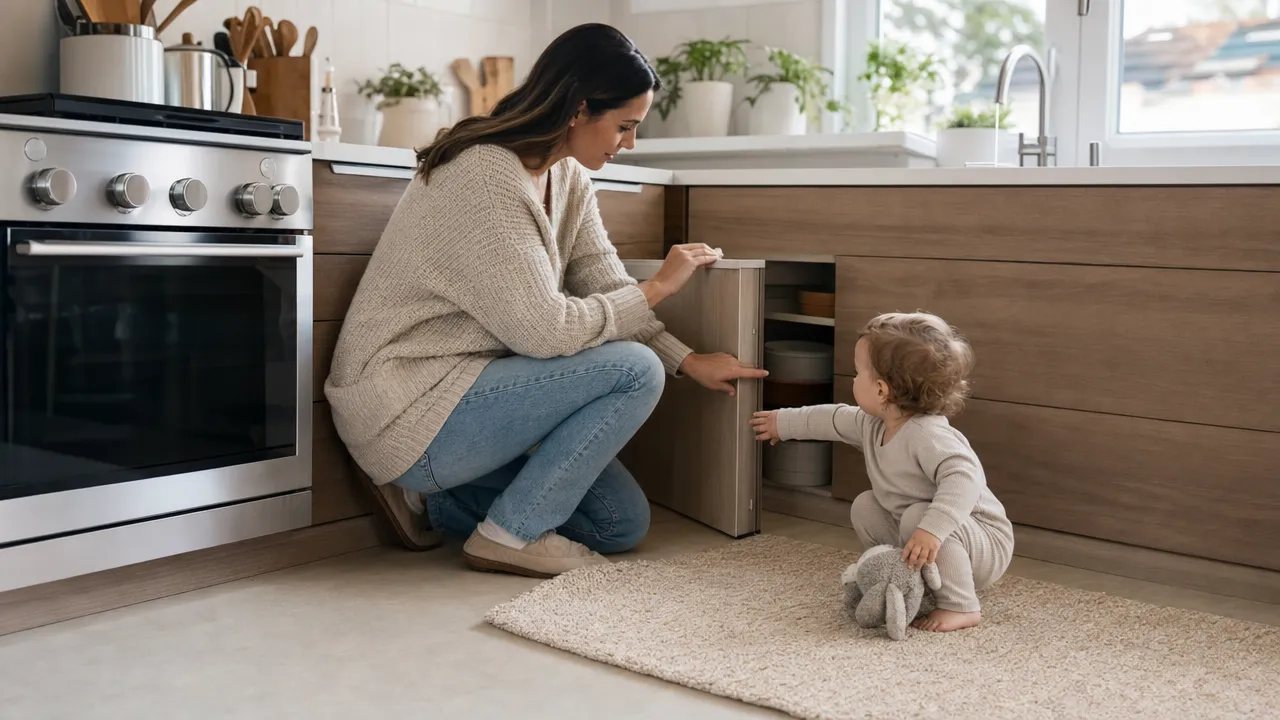
Are no drill cabinet locks right for your home?
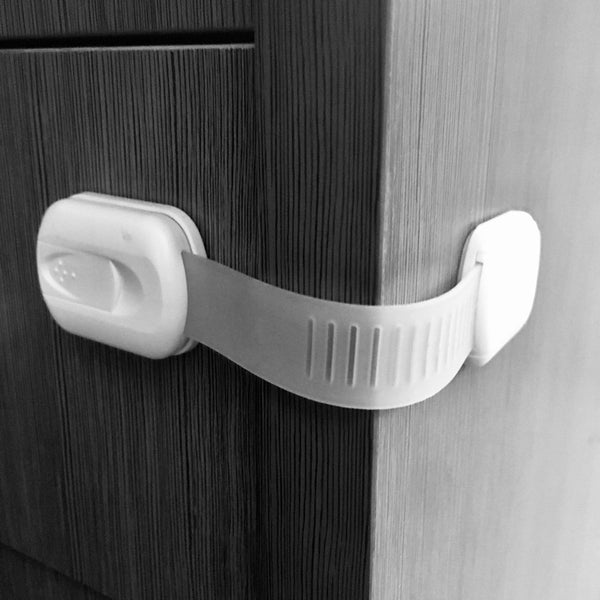
No drill cabinet locks are designed for parents who want a damage-conscious, easier-to-install way to help keep babies and toddlers away from off-limit cabinets and drawers. Instead of requiring holes, screws, or advanced DIY skills, adhesive cabinet locks use a peel-and-stick installation method.
They are especially helpful if you:
- Rent your home and want to avoid cabinet damage.
- Have new cabinets you do not want to drill into.
- Need a fast baby-proofing solution before your child starts crawling, pulling up, or cruising.
- Want cabinet latches that work for both cabinets and many drawers.
- Prefer a clean look from the outside of the cabinet.
Safety organizations also support the broader idea of securing reachable storage. The CPSC childproofing guide recommends safety latches and locks on cabinets and drawers in kitchens, bathrooms, and other areas to help prevent children from accessing hazardous items. The AAP HealthyChildren poison prevention guide also recommends keeping medicines, cleaning products, laundry products, and similar items in locked storage, out of sight and reach.
No drilling cabinet locks are not a replacement for supervision or safer storage. They are one practical layer in a larger child-safety plan.
Where no drill cabinet locks matter most
Before buying baby proofing cabinet locks, walk through your home from your child's eye level. Look for lower cabinets and drawers that a baby or toddler can reach, especially in rooms where risky household items are stored.
| Room or area | Why it matters | Common items to secure |
|---|---|---|
| Kitchen cabinets | Lower cabinets are easy for toddlers to reach. | Cleaning supplies, glassware, trash bags, small appliances |
| Kitchen drawers | Drawers can contain sharp or small items. | Knives, peelers, scissors, batteries, clips |
| Bathroom cabinets | Bathrooms often store concentrated hazards in small spaces. | Medicines, razors, toiletries, cleaners |
| Laundry area | Laundry products should stay out of children's reach. | Detergents, stain removers, laundry packets |
| Pantry | Lower pantry storage may contain breakables or small objects. | Glass jars, plastic bags, hard small foods |
| Storage cabinets | Utility areas may contain tools or chemicals. | Tools, batteries, garden products, matches, lighters |
The Cleveland Clinic childproofing guide also advises locking cabinets and drawers that young children can reach, especially when they contain cleaners, detergents, medicines, chemicals, or sharp objects.
A helpful rule is to prioritize the highest-risk locations first: under-sink cabinets, bathroom vanities, sharp-tool drawers, laundry storage, and utility cabinets. If you are starting small, the VMAISI 12 Pack can cover a focused first pass. If you are planning the kitchen, bathroom, laundry area, and pantry together, the VMAISI 20 Pack gives you more flexibility.
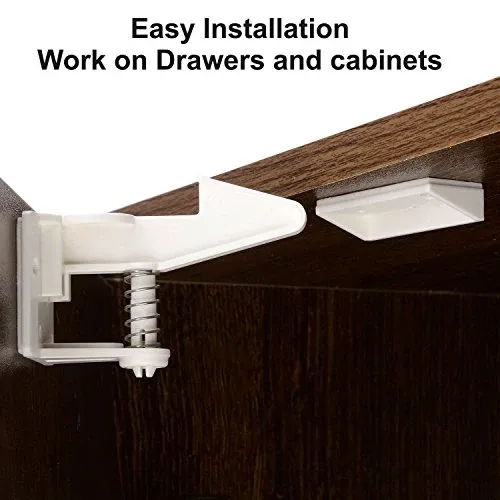
What makes no drill cabinet locks work well?
The best no drill cabinet locks are not just about the latch itself. Adhesive performance depends heavily on installation conditions, cabinet compatibility, and daily use.
Surface preparation
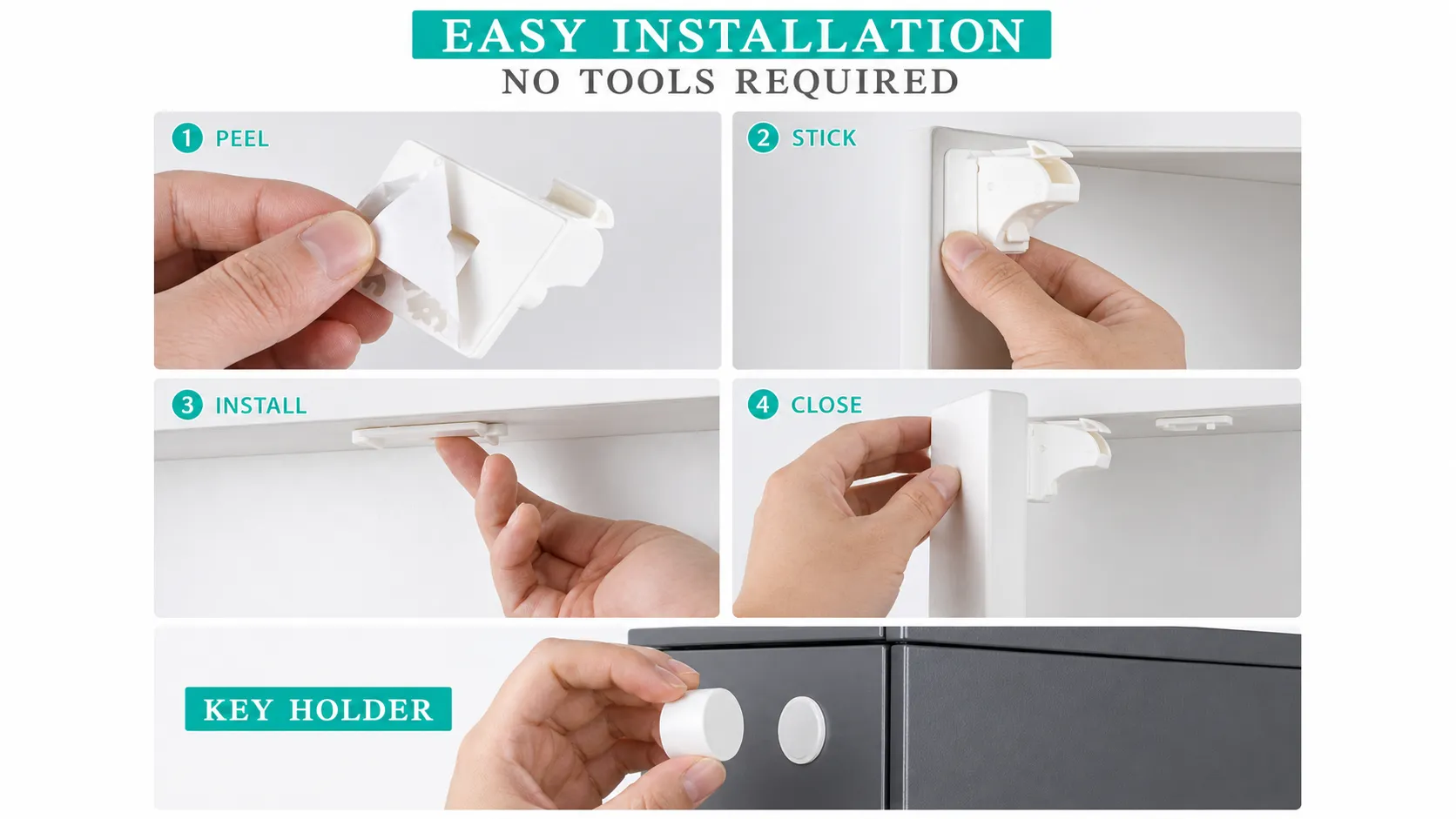
Adhesive cabinet locks work best on smooth, clean, dry, flat surfaces. Grease, dust, soap film, wax, and moisture can reduce the bond. This matters most in kitchens, bathrooms, and under-sink areas, where surfaces may collect residue.
Before applying adhesive cabinet locks:
- Clean the mounting area.
- Let it dry fully.
- Check that the latch and catch align correctly.
- Avoid touching the adhesive surface.
- Press firmly after placement.
- Follow the product's recommended wait time before heavy use.
- Test the latch before storing risky items behind the door.
For more setup help, VMAISI also offers an adhesive cabinet lock comparison guide, which can help parents compare general features and installation considerations.
Cabinet and drawer compatibility
No drilling cabinet locks are useful because they can work on many cabinets and drawers, but not every cabinet is shaped the same. Frame depth, drawer clearance, interior lip placement, and curved or textured surfaces can affect fit.
Dry-fitting is important. Before peeling the adhesive backing, hold the latch and catch in position and gently close the cabinet or drawer to confirm alignment. If the latch does not meet the catch cleanly, adjust placement before sticking it down.
Adult access
Good child safety cabinet locks should help reduce child access while still allowing adults to open cabinets during normal routines. If a lock is too frustrating, adults may stop using it consistently. Choose cabinet latches that fit your daily habits, especially for high-use kitchen cabinets.
Regular inspection
Adhesive can be affected by moisture, heat, surface residue, and repeated pulling. Check high-use cabinets regularly for peeling, shifting, or misalignment. If a latch no longer holds properly, replace or reinstall it according to the product instructions.
How many no drill cabinet locks do you need?
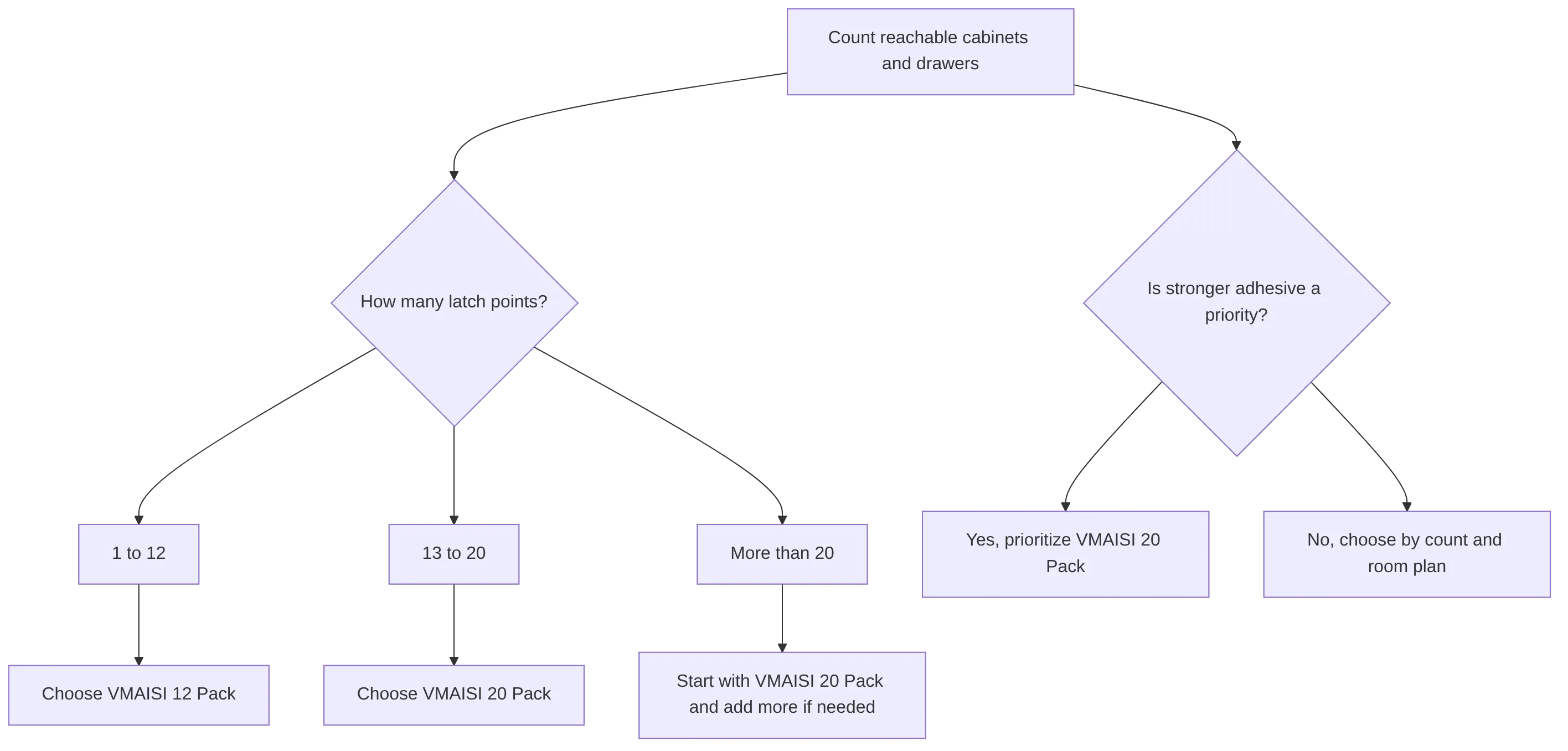
Parents often undercount because they think only about cabinet doors, then realize drawers, bathrooms, laundry storage, and pantry cabinets also need attention. The easiest method is to count latch points room by room.
Use this quick planning table:
| Project size | Typical areas included | Best-fit option |
|---|---|---|
| Small starter setup | Under-sink cabinet, one bathroom vanity, a few drawers | VMAISI Cabinet Locks Child Safety Latches 12 Pack |
| Small apartment | Kitchen basics, one bathroom, limited storage | 12 Pack |
| Kitchen-only project | Lower cabinets, several drawers, pantry base | 12 Pack or 20 Pack, depending on count |
| Kitchen plus bathroom | Multiple cabinets and drawers across two rooms | VMAISI Cabinet Locks Child Safety Latches 20 Pack |
| Whole-home baby-proofing | Kitchen, bathroom, laundry, pantry, storage | 20 Pack or more as needed |
| Stronger adhesive priority | High-use cabinets or parents concerned about adhesive hold | 20 Pack |
Here is a simple way to estimate your count:
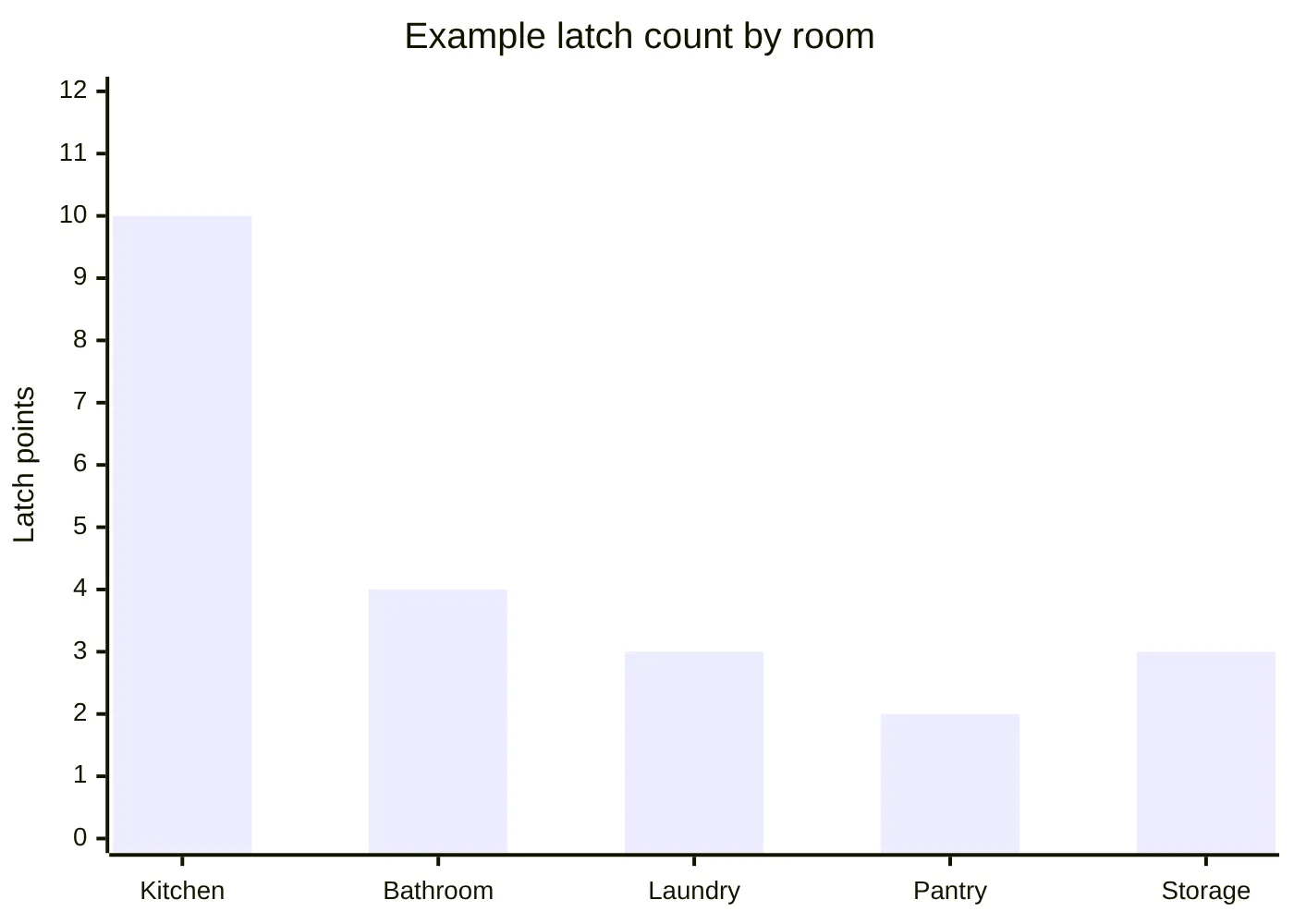
This chart is only an example, not a rule. Your home may need fewer or more drawer safety locks depending on layout. A compact apartment may be fine with 12. A larger kitchen with many lower drawers may use most of a 20 Pack before you even reach the bathroom.
VMAISI no drill cabinet locks: 12 Pack vs 20 Pack
Both VMAISI cabinet latch options are adhesive, no-drill child safety cabinet locks for cabinets and drawers. The best choice depends on the size of your project.
Choose the VMAISI 12 Pack for focused baby-proofing
The VMAISI Cabinet Locks Child Safety Latches 12 Pack is a practical starter choice if you want to secure a smaller number of cabinets or drawers. It fits parents who are beginning with the most important areas first, such as an under-sink cabinet, bathroom vanity, and a few kitchen drawers.
Best for:
- New parents starting their first baby-proofing project.
- Smaller homes or apartments.
- Grandparents securing a few cabinets for visits.
- Parents focusing on high-risk cabinet latches first.
- Families who need adhesive cabinet locks without drilling into cabinets.
Choose the VMAISI 20 Pack for larger coverage or stronger adhesive needs
The VMAISI Cabinet Locks Child Safety Latches 20 Pack is the better fit when your count goes beyond 12 latch points or when stronger adhesive cabinet locks are a priority. Its product page highlights upgraded stronger adhesive, easy installation, and no drilling.
Best for:
- Full kitchen baby-proofing.
- Kitchen plus bathroom projects.
- Multi-room homes.
- Laundry, pantry, and storage cabinet coverage.
- Parents who want extra latches for future adjustments.
- Families who prefer a stronger adhesive option.
Quick decision guide
Final recommendation for no drill cabinet locks at home
The no drill cabinet locks that work best at home are the ones that match your cabinet surfaces, your child's access points, and your room-by-room latch count. Start by identifying reachable cabinets and drawers that contain cleaners, medicines, sharp tools, small objects, laundry products, or other items you do not want a baby or toddler to access.
Choose the 12 Pack if you are securing a smaller group of high-risk cabinets or drawers. Choose the 20 Pack if you are baby-proofing multiple rooms, your kitchen has many lower drawers, or you want stronger adhesive cabinet locks for broader coverage.
For a practical next step:
- Start small with the VMAISI Cabinet Locks Child Safety Latches 12 Pack.
- Cover more rooms with the VMAISI Cabinet Locks Child Safety Latches 20 Pack.
Cabinet latches are a helpful safety layer, but they work best alongside adult supervision, safer storage, regular inspections, and keeping the highest-risk items up and away whenever possible.