

When Should You Stop Using Plug-In Outlet Covers?
When to stop using outlet covers depends on the child, the cover, and the receptacle, not on a single birthday. Stop using a Vmaisi plug-in outlet cover immediately if it is loose, cracked, distorted, incomplete, removable by the child, or no longer seated securely. Also stop using it if it blocks a receptacle needed for an appliance.
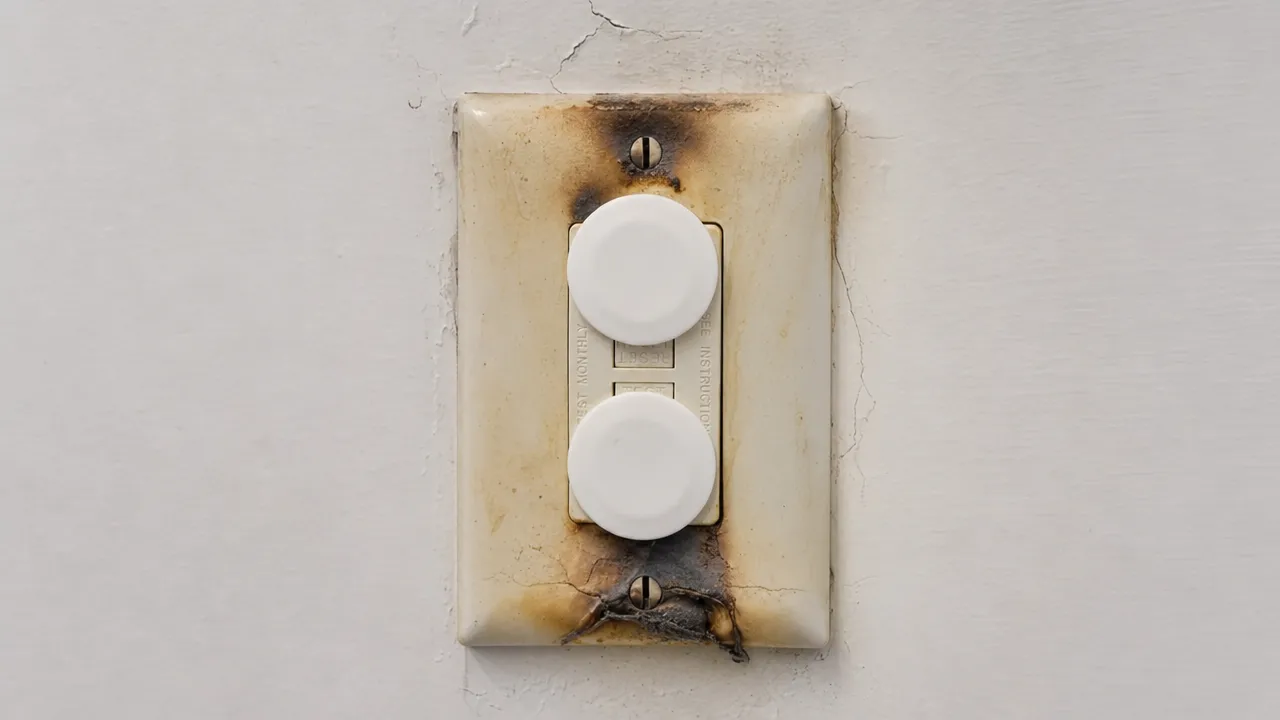
Treat outlet problems differently. If the receptacle or wall plate is loose or damaged, or the outlet is hot, discolored, buzzing, sparking, smells burned, or causes a shock or tingle, stop using that outlet. Contact a qualified electrician if you own the home, or notify the landlord or property manager if you rent. The U.S. Consumer Product Safety Commission notes that even a mild shock or tingle can be a warning sign of danger.
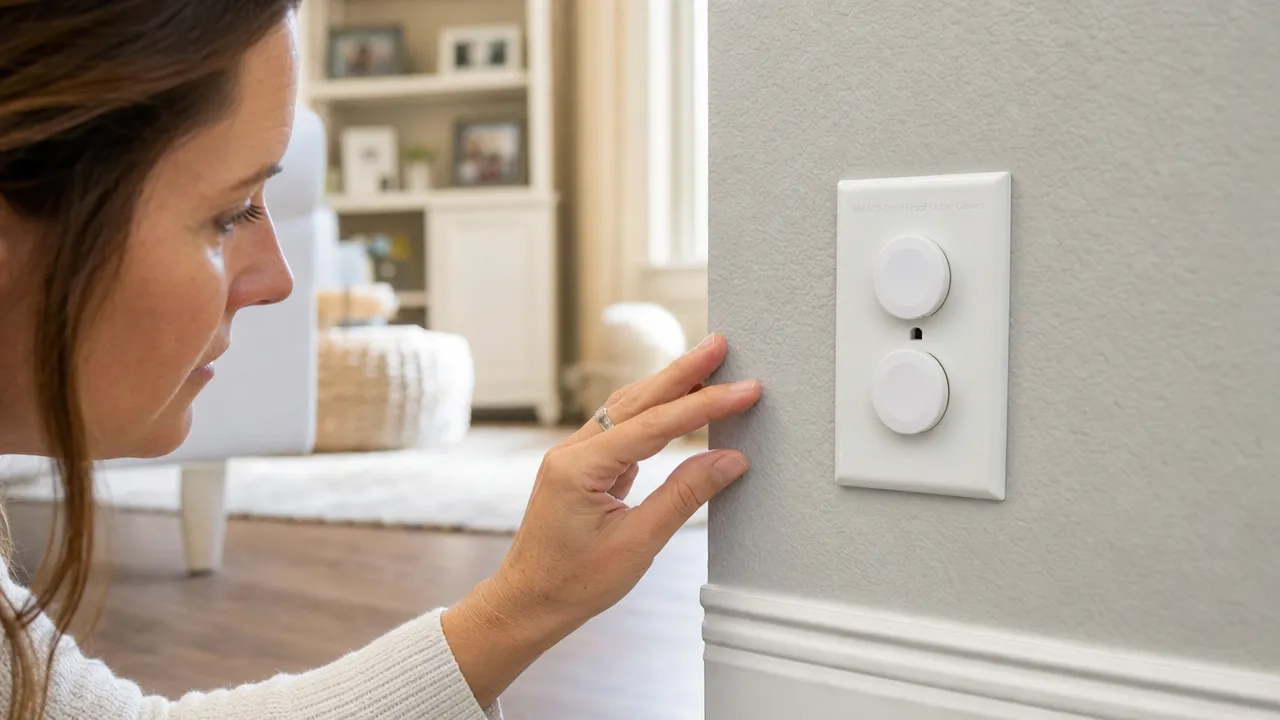
When to stop using outlet covers as your child grows
Is there a fixed age to stop using outlet covers? No. A child's ability and behavior matter more than age alone.
A cover may remain useful while it fits securely in a compatible, undamaged, unused receptacle and the child cannot remove it. Reassess that decision as your child becomes more curious, coordinated, and persistent around outlets. The Electrical Safety Foundation International explains that removable outlet caps can become less dependable as children gain the ability to remove them, which is why a behavior-based approach is more useful than an age cutoff.
If your child successfully removes a cover, stop using that cover in that location. Do not push it in harder, keep testing whether your child can remove it, or try to make it stay in place with tape or glue. A child who has learned how to defeat a removable accessory needs a different safety plan for that outlet.
Plug-in outlet covers are temporary or supplemental protection for compatible, undamaged, unused receptacles. They do not replace active adult supervision. For broader context on combining physical protections with supervision, see Vmaisi's guide to outlet protection and childproofing layers.
When to stop using outlet covers because the cover is damaged or loose
What conditions mean the cover itself should be removed? Remove a plug-in cover from use when it is:
- Loose, easily dislodged, cracked, split, distorted, or incomplete.
- A poor fit in that specific receptacle.
- Removable by the child.
- In the way of a necessary appliance plug.
- No longer needed after a professionally installed long-term solution is in place.
Do not repair, force, tape, glue, trim, or otherwise modify a damaged or poor-fitting cover. Modification creates an unverified fit and makes the accessory less predictable to inspect or remove. Keep removed, damaged, and spare covers out of children's reach.
This is an accessory end-of-use decision, not proof that the outlet itself is faulty. If you are reviewing a current replacement, see the Vmaisi Plug-In Outlet Cover. Use it only in a compatible, undamaged, unused receptacle, and do not assume that a cover that fits one outlet will fit another. The product is supplemental protection and does not provide a childproof guarantee.
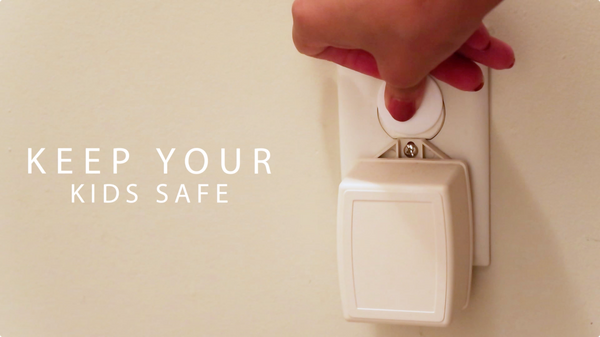
When to stop using outlet covers that do not fit one receptacle
What if the cover fits one outlet but not another? Stop using the cover in the receptacle where it does not seat securely. Do not assume that another cover will solve the problem, and do not force the cover into place.
A reliable fit means the cover inserts normally and remains seated without force. If it is loose or slips out, it is not a dependable option for that location. Move the cover away from the child and reassess how that outlet is used.
Use this quick distinction:
| What you notice | Appropriate response |
|---|---|
| Cover is intact but does not fit securely | Do not use that cover in that receptacle. Do not force or alter it. |
| Cover is cracked, distorted, or incomplete | Remove it from use and keep it out of children's reach. |
| Wall plate or receptacle is loose or visibly damaged | Stop using the outlet and arrange professional or rental-property attention. |
| Outlet has heat, discoloration, buzzing, sparks, or a burned smell | Stop using the outlet immediately and seek help. |
Routine inspection does not need a made-up schedule. Inspect covers routinely and after your child has handled them. Look for damage, a secure fit, child removal attempts, and visible changes to the wall plate or receptacle. Do not open, tighten, test, or troubleshoot the outlet yourself.
When to stop using outlet covers and call for electrical help
Which signs point to an outlet issue rather than a cover issue? Stop using the affected outlet when you notice any of the following:
- A loose or damaged receptacle or wall plate.
- Heat at the outlet.
- Discoloration or scorching.
- Buzzing or unusual electrical sounds.
- Sparking.
- A burned smell.
- A shock or tingle when the outlet is used.
These are electrical warning signs, not ordinary childproofing maintenance. A plug-in cover cannot repair or make a damaged outlet safe. Homeowners should contact a qualified electrician. Renters should report the issue promptly to the landlord or property manager rather than attempting a repair.
The CPSC guide to home wiring hazards specifically advises that a shock, including a mild tingle, may signal danger. CPSC electrical-system recall information also shows why overheating-related receptacle concerns deserve professional assessment.
Keep the response simple: stop using the outlet, prevent child access to the area as practical, and arrange appropriate help. Avoid diagnosing the source of the problem or trying to correct the wall plate, receptacle, wiring, or breaker yourself.
When to stop using outlet covers in frequent-use locations
What should you do when an appliance needs the receptacle? Remove the plug-in cover for appliance use and keep it away from children while it is off the outlet. Do not leave it on the floor, a low table, or another child-accessible surface.
A frequently used receptacle can be a poor practical match for removable covers. Each removal creates an opportunity for the cover to be misplaced, left off, or reinserted without a secure fit. That does not mean every appliance-adjacent outlet needs the same solution. It means the household should reassess whether removable covers remain reliable in that location.
For rooms where long-term outlet access is likely, a built-in option may be more appropriate. Vmaisi's broader childproofing guidance also distinguishes plug inserts from more permanent outlet-protection approaches.
When to stop using outlet covers and consider tamper-resistant receptacles
Are tamper-resistant receptacles a better long-term option? They can be. Tamper-resistant receptacles use built-in shutters that block access to the openings unless a proper plug applies pressure to both sides. The Electrical Safety Foundation International describes them as a permanent, built-in approach to reducing outlet tampering.
Consider asking a qualified electrician about tamper-resistant receptacles when removable covers are no longer reliable, a child can remove them, or the household wants a more durable long-term approach. This is especially worth discussing for accessible outlets that are used often.
Plug-in outlet covers can still serve as supplemental protection for compatible, undamaged, unused receptacles. But they are not equivalent to professionally installed tamper-resistant receptacles, and neither option replaces attentive supervision.
A practical next step is to check each accessible outlet individually. Keep using only covers that are intact and securely seated, remove covers that are damaged or child-removable, and escalate any outlet warning sign to the appropriate professional or rental-property contact.