

Outlet Covers for Grandparents' Homes: What to Pack and Check
Parents preparing for a baby or toddler visit often focus on the obvious spaces first. A grandparent's home may be loving, familiar, and well organized, but a newly mobile child sees low wall receptacles very differently. This checklist keeps the task practical: count only child-reachable outlets that will truly be unused, inspect each one, and use removable covers only where they fit normally and make sense.
A plug-in cover is supplemental protection, not an electrical repair or a guarantee. A careful visit plan also respects the household's routines, including the lamps, chargers, and appliances grandparents need to use every day.
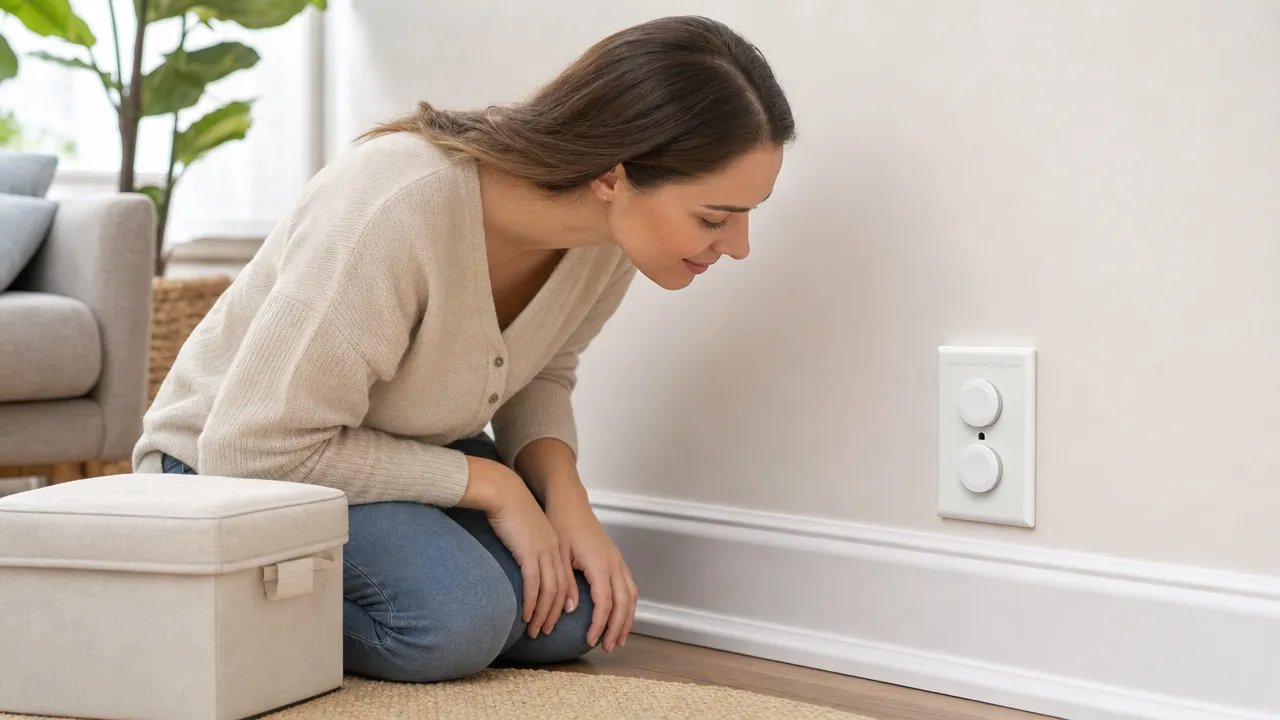
Start with the outlets the child can actually reach
Before packing, take a room-by-room walk-through with the homeowner, or do a video call if you cannot visit in advance. Count only child-reachable receptacle positions that are empty and will stay unnecessary during the visit.
An outlet being empty right now does not automatically make it unused. If Grandpa plans to plug in a phone charger after breakfast or Grandma uses the floor lamp every evening, that location is in use. Do not include it in your removable-cover count simply because it can be unplugged temporarily.
For a duplex receptacle, consider each receptacle position separately. One position may be in use while the other is empty. Follow the specific cover's instructions, and do not assume identical fit throughout an older home.
Use this simple count-to-pack process:
- List rooms the child can enter.
- Identify low, reachable empty receptacle positions.
- Cross off positions needed for lamps, chargers, appliances, monitors, or other equipment.
- Add only a few spares for a lost or rejected cover, not for forcing into a mismatched outlet.
- Plan to inspect every counted location again on arrival.
The U.S. Consumer Product Safety Commission advises using outlet covers and outlet plates to help reduce electrical-shock risk, while also noting that protectors should not be easy for children to remove and should not create a choking concern. Review the agency's childproofing guidance for broader context.
Pack a small, organized safety kit
A small, organized kit prevents last-minute scrambling and reduces the chance of a removed cover being left within reach.
| Pack item | Why it belongs in the kit |
|---|---|
| Removable plug-in outlet covers | Bring enough for the unused, child-reachable positions you counted, plus a small number of spares. |
| Closed adult-controlled container | Holds spare, removed, and rejected covers immediately. |
| Room list or phone note | Helps confirm which outlets are unused and flags locations to avoid. |
| Product instructions | Supports proper use for the specific cover. |
| Small flashlight | Helps with a visual check behind furniture without using tools or probes. |
For a removable option in a visit kit, the Vmaisi Plug-In Outlet Cover may be considered as supplemental protection only for a compatible, undamaged, unused receptacle. Inspect the individual cover and receptacle, follow product instructions, and stop using the cover if it is damaged or does not remain securely seated.
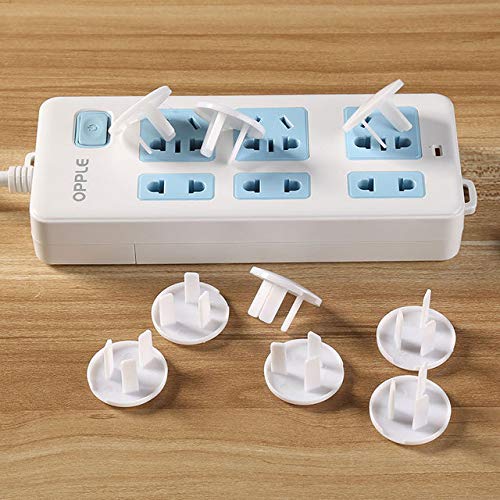
Keep covers in the closed container until they are needed. Do not place them in an open handbag pocket, on a low table, or on a counter edge where a curious child could reach them.
Inspect each candidate outlet before use
Inspect the receptacle and its faceplate in good light before inserting anything. In everyday language, the receptacle is the plug-in device with slots, while the faceplate is the wall cover surrounding it.
Do not use a plug-in cover on a receptacle that is loose, cracked, hot, scorched, buzzing, sparking, or moving. Stop using that outlet, keep children away from it, and contact a qualified electrician. If the home is rented, notify the landlord, property manager, or responsible maintenance contact instead of attempting a repair.
The CPSC identifies heat, discoloration, plugs that wobble or pull out easily, buzzing sounds, and sparks as electrical-hazard warning signs in its Guide to Home Wiring Hazards.
Use this quick inspection checklist:
- Look for a cracked, chipped, missing, stained, scorched, or heat-discolored faceplate.
- Check visually for a receptacle or faceplate that is tilted, separated from the wall, loose, or moving.
- Notice whether an ordinary plug wobbles or pulls out easily during normal use. Do not repeatedly test it.
- Pay attention to buzzing, sizzling, sparking, unusual heat, or a burned smell.
- Never force a cover into an older, unusual, or resistant receptacle.
- Never bend, trim, reshape, tape, glue, or modify a cover to improve fit.
Check clear and white plug-in covers in good light, too. Clear covers can hide stress lines, haze, yellowing, cracks, or distortion. White covers can show cracking, discoloration, worn edges, stains, or warping. Remove any cover from service if it is split, bent, sticky, incomplete, loose, or easily removed by a child.
For a closer look at poor-fit situations, read what to do if an outlet plug cover feels loose. A cover that will not stay seated is not a problem to solve with force or a makeshift fix.
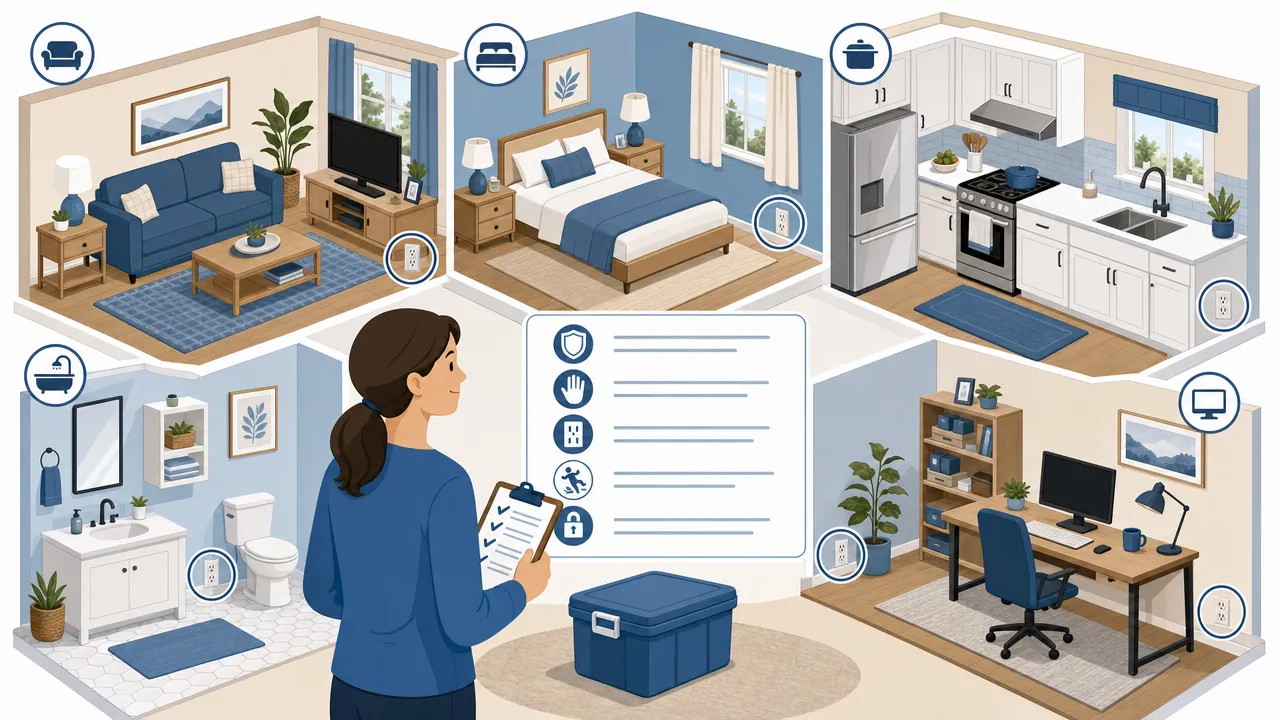
Walk through the house one room at a time
A short room sweep on arrival is more useful than assuming all outlets are alike.
Living room and entry areas
Check receptacles near sofas, floor lamps, media furniture, and low chairs. Television, router, speaker, and lamp outlets are usually in use, even if a child can reach them. Cover only an empty position that will remain unused.
Bedrooms and sleeping spaces
Inspect outlets beside beds, dressers, and low seating. Do not count locations needed for a nightlight, fan, sound machine, monitor, charger, or bedside lamp. Check behind furniture if a child can reach the receptacle from the side.
Kitchen and dining spaces
Look at unused wall receptacles within reach from the floor, a low chair, or a dining bench. Treat countertop-appliance and meal-prep outlets as in use. Do not unplug or reconnect household equipment just to create a coverable opening.
Bathrooms
Give bathroom receptacles an extra visual check because moisture and grooming equipment may be present. Do not test, reset, disassemble, or repair electrical devices or receptacles. An empty location may be considered only if it is dry, intact, stable, unused, and compatible with the cover.
Home office, laundry, and utility areas
Office outlets commonly support chargers, printers, desk lamps, and networking equipment. Laundry and utility outlets may serve important appliances. These locations are often poor candidates for repeated removable-cover handling. If a regularly used plug will not stay seated, stop using that receptacle and arrange qualified help.
Make a plan for outlets the household still needs
Frequently used outlets need an adult-managed plan, not a removable cover that comes out and goes back in throughout the day. Keep necessary lamps, chargers, and appliances in their ordinary setup when possible. If an adult must remove a cover to use an outlet, place it directly into the closed storage container, never on the floor or nearby furniture.
A useful distinction is tamper-resistant receptacles versus removable plug-in covers. A plug-in cover is a removable accessory for a compatible, undamaged, unused receptacle. A tamper-resistant receptacle, or TRR, is an installed receptacle with built-in shutters designed to resist insertion of foreign objects unless a proper plug applies pressure to both sides. The Electrical Safety Foundation International explains how tamper-resistant receptacles work.
Neither option repairs an unsafe outlet or replaces attentive supervision. If removable covers are repeatedly being removed, become child-removable, or no longer suit the household's routines, review when to stop using plug-in outlet covers. For a long-term update, a qualified electrician can advise on appropriate receptacle options.
Use the same routine before, during, and after the visit
On arrival
- Walk through the rooms the child will actually use.
- Confirm the unused-outlet count against the real layout.
- Inspect every candidate receptacle, faceplate, and cover.
- Use a cover only when it fits normally in a stable, undamaged, unused receptacle.
- Put spares and rejected covers in the closed adult-controlled container.
During the visit
- Recheck covered receptacles after the child has explored nearby.
- Remove any cover that becomes loose, damaged, distorted, or child-removable.
- Store a removed cover immediately in the closed container.
- Stop using any receptacle that becomes loose, cracked, hot, scorched, buzzing, sparking, or moving.
Before leaving
- Keep the child away from the area while an adult removes any cover.
- Return only the locations the homeowner wants restored to regular use.
- Put every removed cover directly into the closed container.
- Recheck formerly covered receptacles visually without probing or testing them.
- Tell grandparents about any outlet avoided because of damage, looseness, heat, discoloration, buzzing, sparking, or movement.
- Separate damaged covers from reusable ones until they can be discarded according to local household-waste guidance.
A calm, repeatable routine makes outlet safety for visiting grandchildren more manageable. The goal is not to cover every opening in the house. It is to identify genuinely unused locations, inspect them carefully, and recognize when an electrical concern belongs with a qualified professional.