

How Many Magnetic Cabinet Locks Do You Need for Babyproofing a Home?
Are you standing in your kitchen wondering, "how many cabinet locks do I need before my baby starts crawling?" That is a very normal babyproofing moment. Once babies start pulling up, cruising, and opening lower cabinets, parents quickly realize that the real question is not just how many rooms they have. It is how many cabinet doors and drawers a child can reach, and what is stored behind them.
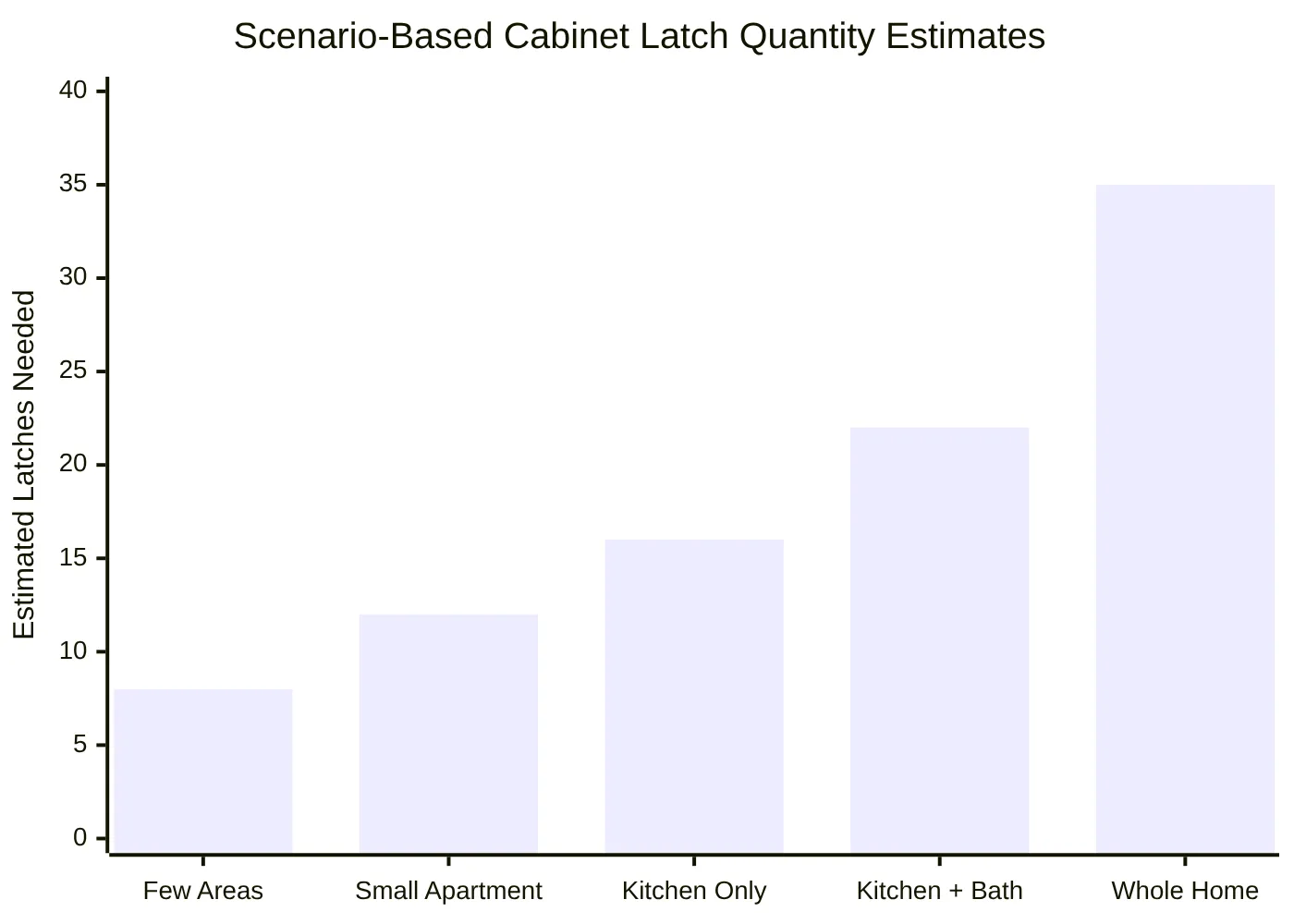
The short answer: many homes need somewhere between 8 and 22 cabinet latches for a practical first round of babyproofing, while whole-home setups can need 20 to 35 or more. The better answer is to count latch points room by room, then choose a pack size that gives you a few extras.
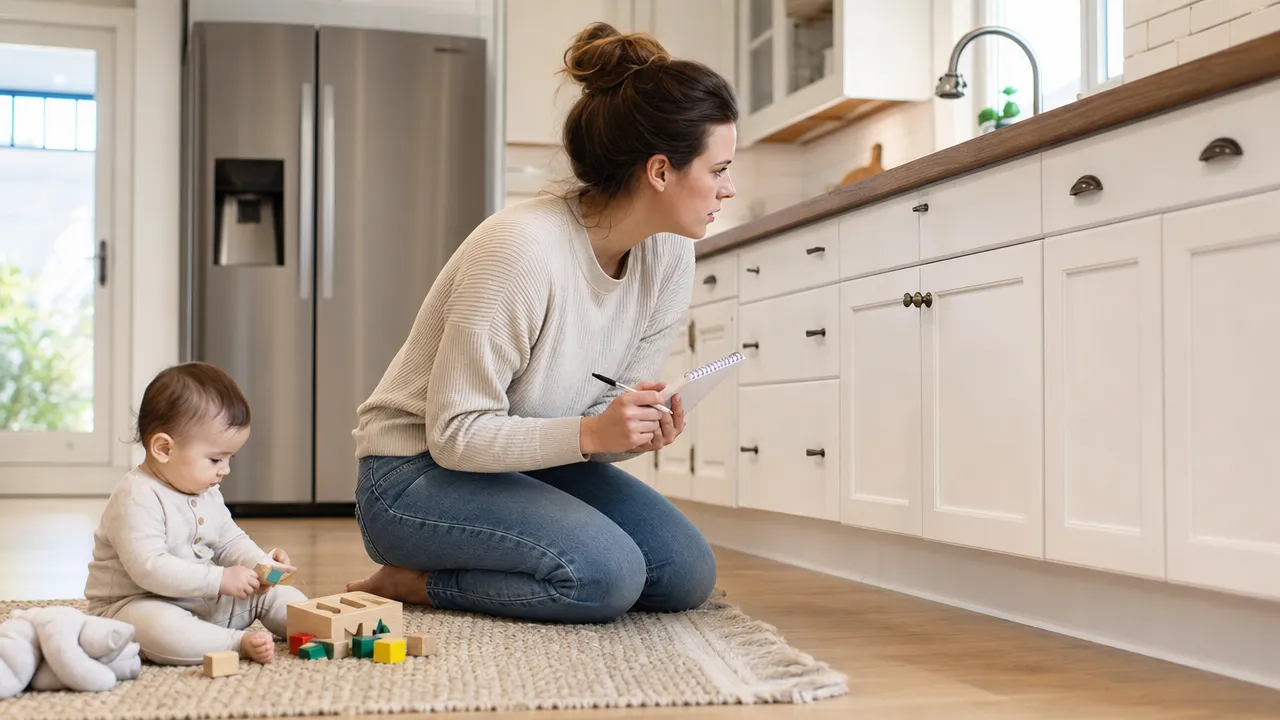
How many cabinet locks do I need for the first babyproofing pass?
For the first pass, focus on accessible cabinets and drawers that contain hazards or off-limit items. The U.S. Consumer Product Safety Commission recommends using safety latches and locks on cabinets and drawers in kitchens, bathrooms, and other areas to help keep children away from medicines, laundry detergent, household cleaners, matches, lighters, knives, and sharp objects. You can review the full guidance from the CPSC childproofing your home guide.
Instead of counting rooms, count access points:
| Home situation | Typical areas covered | Planning estimate | Practical pack choice |
|---|---|---|---|
| A few high-risk spots | Under-sink cabinet, bathroom vanity, 2 to 4 drawers | 4 to 8 latches | 12 Pack |
| Small apartment | Kitchen basics, one bathroom, a few storage drawers | 8 to 12 latches | 12 Pack |
| Kitchen only | Lower cabinets, utensil drawers, under-sink area, pantry base cabinets | 10 to 16 latches | 12 Pack or 20 Pack |
| Kitchen plus bathroom | Kitchen hazards plus bathroom vanity and drawers | 14 to 22 latches | 20 Pack |
| Whole-home babyproofing | Kitchen, bathrooms, laundry, pantry, storage, office drawers | 20 to 35+ latches | 20 Pack plus more if needed |
| Grandparent home | A few high-risk cabinets used during visits | 6 to 12 latches | 12 Pack |
If your first count is under 12, the VMAISI Cabinet Locks Child Safety Latches 12 Pack is a practical starting point for a smaller setup. If your count is 13 or higher, the VMAISI Cabinet Locks Child Safety Latches 20 Pack usually makes more sense, especially for a full kitchen, kitchen plus bathroom, or whole-home plan.
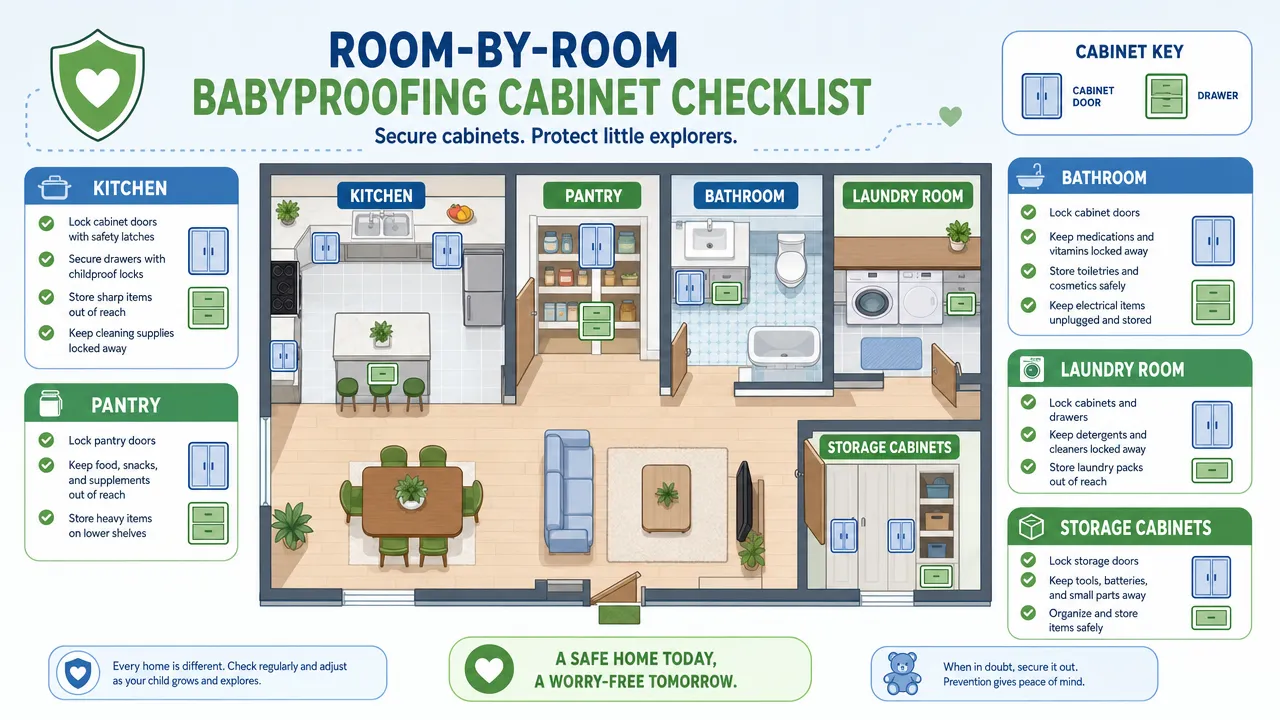
How many cabinet locks do I need when counting room by room?
A room-by-room walk-through is the easiest way to avoid underbuying. Get down to your child's height and look at what a crawling baby or toddler can reach. Do not forget drawers. Many parents count cabinet doors but miss utensil drawers, bathroom drawers, laundry storage, or home office drawers.
Use this simple formula:
Estimated latch count = accessible hazardous cabinet doors + accessible hazardous drawers + 2 to 4 extras
Here is a practical checklist:
| Room | Count these latch points first | Common items to secure |
|---|---|---|
| Kitchen | Under-sink doors, lower cabinets, utensil drawers, base pantry cabinets | Cleaners, dishwasher products, knives, scissors, breakables, small objects |
| Bathroom | Vanity doors, drawers, low storage cabinets | Medicines, razors, cleaners, toiletries, small items |
| Laundry room | Low cabinets, detergent storage, utility drawers | Laundry detergent, laundry pods, stain removers, cleaning products |
| Pantry | Lower doors, pull-out drawers, reachable shelves with doors | Glass containers, plastic bags, small hard foods, breakables |
| Storage area | Low cabinets, tool drawers, utility cabinets | Tools, batteries, garden supplies, matches, lighters |
| Home office | Desk drawers, file cabinets, craft storage | Scissors, paper clips, batteries, cords, small objects |
Cleveland Clinic also advises locking cabinets and drawers that toddlers or young children could reach, especially when they contain cleaners, detergents, medicines, outdoor chemicals, or sharp objects. See the Cleveland Clinic guide to childproofing for more safety context.
A few counting tips:
- Count each cabinet door or drawer you plan to secure.
- Check double-door cabinets carefully. Depending on the cabinet layout and latch placement, you may need to secure each access point.
- Add spares. Adhesive placement mistakes, future storage changes, and newly discovered toddler reach are common.
- Round up. If your count is 11 or 12, buying exactly 12 leaves little room for error.
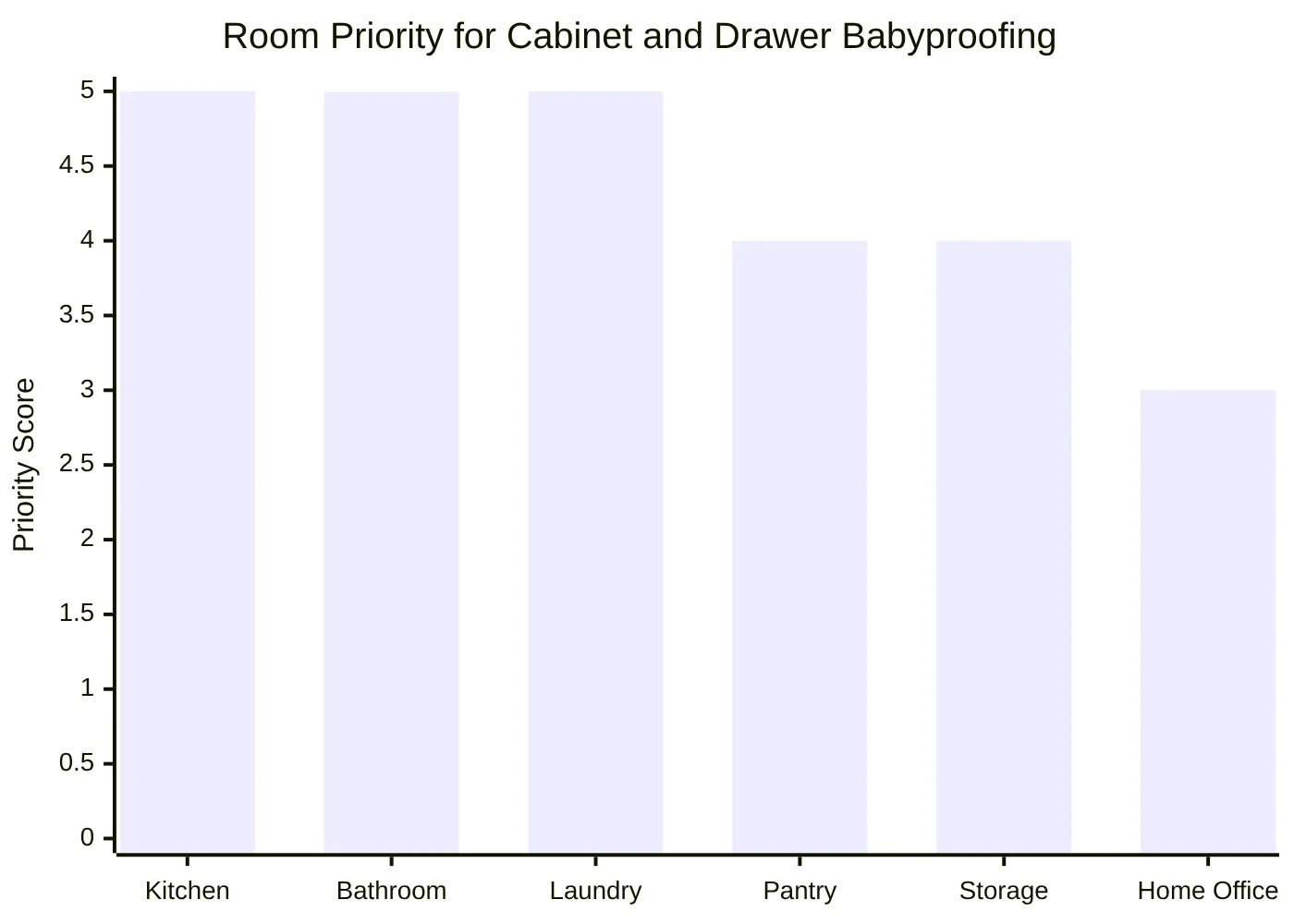
How many cabinet locks do I need for kitchens, bathrooms, and laundry rooms?
If you only babyproof one area first, start with the kitchen. Kitchens usually contain the highest number of reachable cabinets and drawers, and many of them store items that should be off-limits. But bathrooms and laundry rooms deserve the same attention.
Consumer Reports recommends locking high-risk cabinets and drawers, especially those containing cleaning supplies, dishwasher or laundry pods, medicines, and sharp items. Their babyproofing checklist is a helpful reminder that babyproofing is layered, not one product or one room.
For a typical kitchen, count:
- Under-sink cabinet doors.
- Lower cabinets with cleaners, trash bags, glassware, or small appliances.
- Drawers with knives, peelers, scissors, clips, batteries, or small tools.
- Pantry base cabinets or low pull-out drawers.
- Any cabinet a child can open, climb into, or use to create a pinch hazard.
For a bathroom, count:
- Vanity doors.
- Drawers with razors, medicines, cosmetics, or small items.
- Low storage cabinets with cleaners or toiletries.
For a laundry room, count:
- Detergent cabinet doors.
- Utility storage drawers.
- Low cabinets with laundry products, stain removers, or cleaning supplies.
My opinion: most parents underestimate the bathroom and laundry room more than the kitchen. The kitchen feels obvious because you spend time there every day. The bathroom and laundry areas may look small, but they can contain concentrated hazards. If you are deciding between a 12 Pack and a 20 Pack, adding one bathroom and one laundry area is often what pushes the count above 12.
How many cabinet locks do I need if I want no-drill cabinet locks?
If you want no-drill cabinet locks, the quantity calculation is the same: count the cabinet doors and drawers you want to secure, then add extras. The difference is installation style. Adhesive cabinet locks and cabinet latches are especially appealing for parents who rent, have newer cabinets, or prefer not to drill into finished surfaces.
VMAISI's current cabinet products are adhesive, no-drill child safety cabinet latches for cabinets and drawers. They are not positioned here as key-required systems. For parents looking for straightforward baby proofing cabinet locks, the pack decision is simple:
| Your latch count | Recommended option | Why it fits |
|---|---|---|
| 1 to 8 | VMAISI Cabinet Locks Child Safety Latches 12 Pack | Good for a few cabinets, a small apartment, a bathroom, or a grandparent home |
| 9 to 12 | 12 Pack if you do not need many spares | Works for a focused setup, but count carefully |
| 13 to 20 | VMAISI Cabinet Locks Child Safety Latches 20 Pack | Better for a full kitchen, kitchen plus bathroom, or broader coverage |
| More than 20 | Start with 20 Pack and add another pack if needed | Whole-home babyproofing often exceeds one pack |
The VMAISI 20 Pack product page highlights upgraded stronger adhesive, easy installation, and no drilling, which makes it a stronger fit when you are securing multiple cabinets and drawers across the home.

Before installing any adhesive cabinet latches, follow the product instructions carefully. In general, adhesive products work best when surfaces are clean, dry, and properly aligned. Avoid rushing the first installation. Test one location first, then continue once you understand the placement.
Important safety note: child safety cabinet locks help reduce access, but they do not replace supervision or safe storage. Keep medicines, chemicals, laundry products, sharp objects, and small items locked away and out of reach. The CPSC also notes that child-resistant packaging is not childproof. If you suspect a child has ingested a poisonous substance, contact Poison Control at 800-222-1222.
How many cabinet locks do I need if I searched for a magnetic lock key or replacement key for magnetic cabinet locks?
Some parents arrive at this topic after searching for a magnetic lock key or a replacement key for magnetic cabinet locks. That usually means they already own, or are researching, a different type of babyproofing system that uses a separate unlocking accessory.
If that is your situation, here is the practical answer:
- Check the original product instructions.
- Contact the original manufacturer for replacement parts.
- Avoid improvising with unsafe or unreliable substitutes.
- If you are planning a new setup, decide whether you prefer a simple adhesive, no-drill cabinet latch for cabinets and drawers.
This distinction matters because not all babyproofing cabinet locks work the same way. Some systems use separate accessories. Others are strap-style, sliding-style, or adhesive latch-style products. VMAISI's 12 Pack and 20 Pack recommendations in this guide are for adhesive, no-drill cabinet latches for cabinets and drawers.
So, how many cabinet locks do I need in the end? My practical rule is this:
- Count every reachable cabinet door and drawer with hazards.
- Add 2 to 4 extras.
- Choose the 12 Pack for smaller or targeted babyproofing.
- Choose the 20 Pack for kitchen plus bathroom, larger kitchens, or whole-home coverage.
- Recheck your home as your child grows, because a toddler's reach changes fast.
For a focused starter setup, consider the VMAISI Cabinet Locks Child Safety Latches 12 Pack. For broader coverage, the VMAISI Cabinet Locks Child Safety Latches 20 Pack is the better fit for many families.

A final parent-friendly reminder: the goal is not to lock every single thing in your home. The goal is to think like a curious toddler, prioritize the highest-risk places first, and build a safer everyday routine one cabinet and drawer at a time.